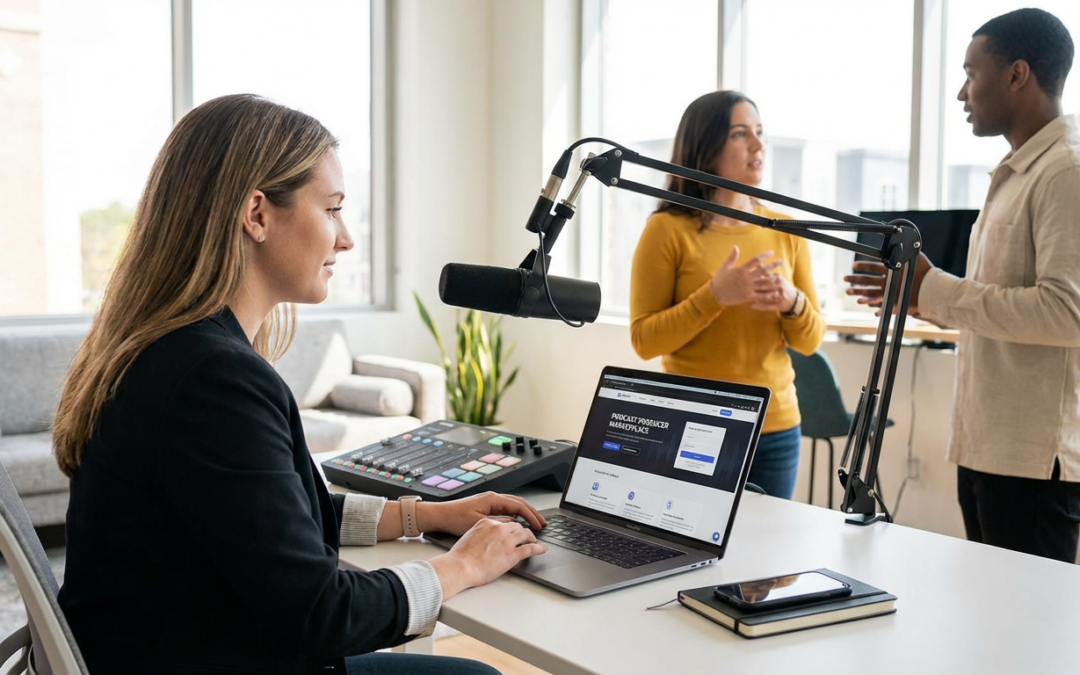
Where to Find Podcast Producers and Audio Editors Who Actually Get the Job Done
If you’re creating a podcast, you already know that great audio makes or breaks the listener experience. Finding someone who can handle the technical side while understanding your creative vision isn’t always easy. The good news is that several online marketplaces connect podcasters with skilled producers and audio editors who can take your show from decent to professional. This list will walk you through eight platforms where you can hire audio talent, each with its own strengths and quirks.
- Legiit
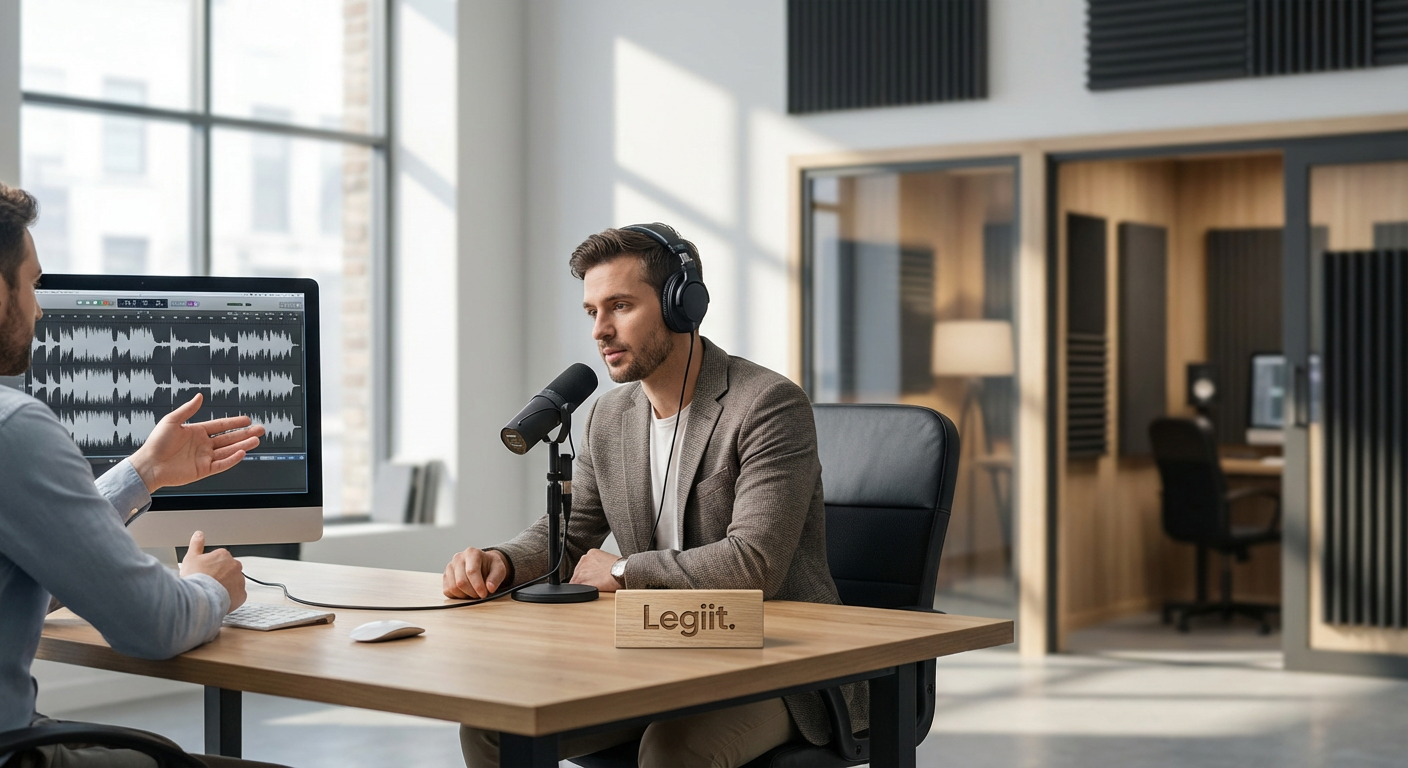
Legiit started as a marketplace for digital marketing services but has grown into a solid option for hiring podcast producers and audio editors. The platform attracts professionals who understand content creation and often have experience across multiple media formats, which can be valuable when you need someone who gets both the technical and strategic sides of podcasting.
What sets Legiit apart is its straightforward service structure. Sellers create specific packages with clear deliverables and pricing, so you know exactly what you’re getting before you commit. Many audio professionals on the platform offer bundled services like editing, mixing, mastering, and even show notes creation in a single package. This can simplify your workflow if you’re managing multiple aspects of production.
The platform also includes a rating system and detailed seller profiles, making it easier to vet potential hires. You can see past work samples, read reviews from other podcasters, and communicate directly with sellers before placing an order. For podcasters who want a no-nonsense hiring process with transparent pricing, Legiit provides a practical solution.
- SoundBetter
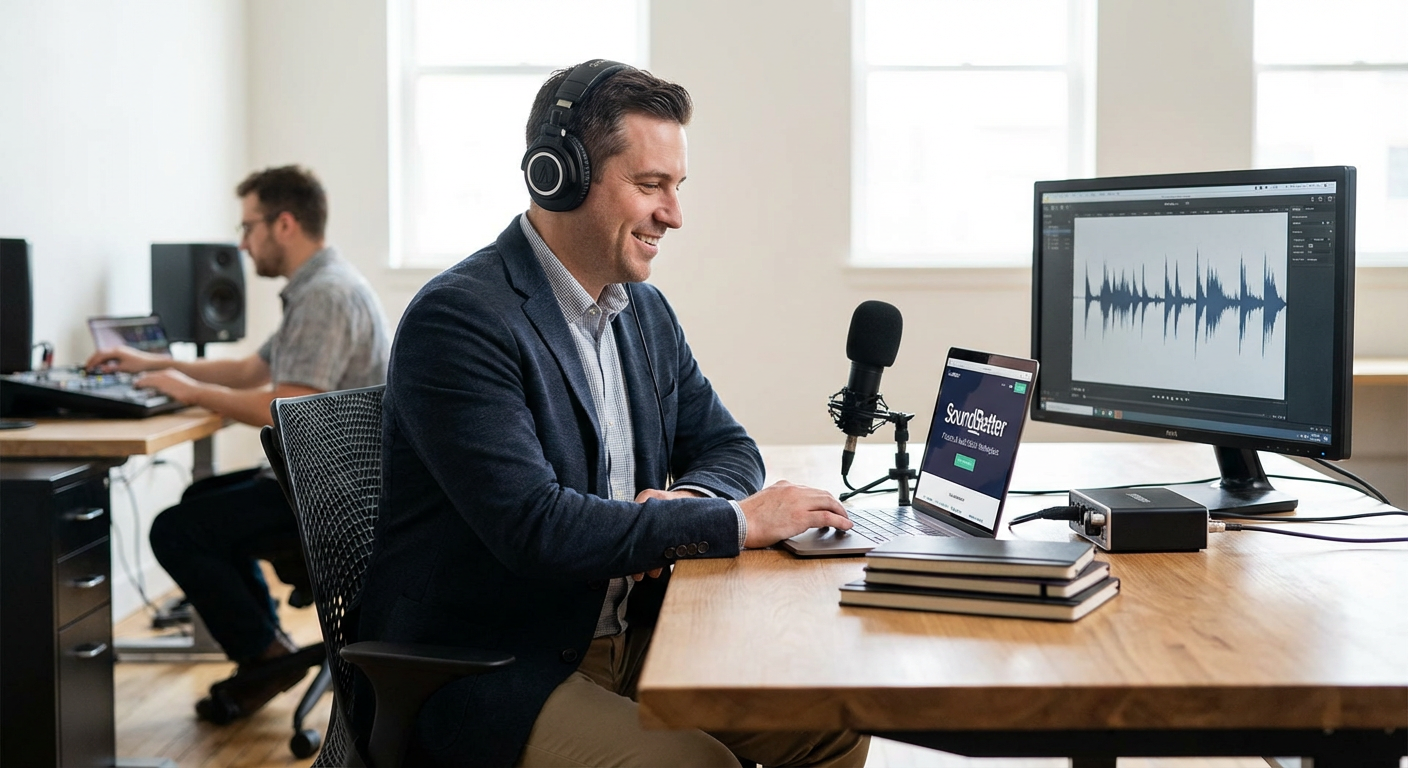
SoundBetter focuses specifically on audio professionals, including mixing engineers, mastering specialists, and music producers. Many of these professionals also work with podcasters who need high-quality audio editing. The platform attracts serious audio talent, often people who have worked in music production and bring that level of polish to podcast work.
The interface lets you browse by specialty, listen to audio samples, and read detailed bios. Many professionals on SoundBetter charge premium rates, but you’re often paying for years of experience and access to professional studio equipment. If audio quality is your top priority and budget allows, this marketplace connects you with people who treat sound engineering as a craft.
- Upwork
Upwork remains one of the largest freelance marketplaces, with thousands of audio editors and podcast producers available for hire. The sheer volume of talent means you can find someone for nearly any budget or project scope, from basic editing to full production management.
The platform’s structure requires more active management from you as the client. You’ll post a job description, review proposals, conduct interviews, and negotiate rates. This takes more time than browsing preset service packages, but it gives you control over finding exactly the right fit. Upwork’s time tracking and milestone payment features work well for ongoing podcast production needs, where you might hire someone for multiple episodes or an entire season.
One challenge is sorting through the volume of applicants. You’ll need to review portfolios carefully and possibly conduct test projects to find someone whose style matches your needs. The platform charges service fees on top of the freelancer’s rate, so factor that into your budget planning.
- Reedsy
While Reedsy is primarily known for connecting authors with publishing professionals, it has expanded to include audio producers who specialize in audiobooks and podcast production. The platform carefully vets its professionals, which means you’re working with experienced talent who have been screened for quality.
Reedsy works differently from most marketplaces. You create a free project brief, and interested professionals pitch to work with you. This reverse-application process means you only hear from people genuinely interested in your specific project. The platform doesn’t charge clients any fees, which is refreshing compared to many other marketplaces that add percentage-based charges.
The audio professionals on Reedsy tend to have strong storytelling sensibilities, which can be particularly valuable if your podcast is narrative-driven or interview-based. They understand pacing, emotional beats, and how to use sound to support content. Rates here typically reflect professional-level work, so it’s best suited for podcasters with established budgets.
- Voices.com
Voices.com is best known for voiceover talent, but the platform also includes audio producers and editors who work on podcast projects. If you need both voice talent and production help, this can be a convenient one-stop option.
The platform requires a membership for full access to talent, which involves a subscription fee. This structure works better for podcasters with ongoing hiring needs rather than one-off projects. The benefit is that you get access to a curated pool of professionals, along with tools for managing auditions, contracts, and payments in one place.
Many audio professionals on Voices.com have broadcast experience, which translates well to podcast production. They understand the technical requirements for different distribution platforms and can ensure your audio meets industry standards. The platform also offers customer support and dispute resolution, adding a layer of protection for both clients and freelancers.
- PeoplePerHour
PeoplePerHour operates similarly to other freelance marketplaces but with a European focus, though it includes professionals from around the world. The platform offers both hourly and project-based hiring, giving you flexibility in how you structure the work relationship.
One useful feature is the ability to post your project and receive proposals, or browse freelancer profiles and directly invite people to bid on your work. This dual approach can speed up the hiring process when you find someone whose portfolio immediately catches your attention.
The platform includes a workstream feature that helps manage ongoing projects, making it suitable for podcasters who need regular editing for weekly or biweekly episodes. Audio editors on PeoplePerHour often have competitive rates compared to some North American-focused platforms, which can help if you’re working with a tight budget. As with any international hiring, be clear about timezone expectations and turnaround times to avoid miscommunication.
- Podcast Motor
Podcast Motor takes a different approach by offering a subscription-based podcast editing service rather than a traditional marketplace. You’re not browsing individual freelancers but instead working with their team of audio professionals who handle your editing needs on a recurring basis.
This model works well for podcasters who want consistency and don’t have time to manage freelancer relationships. You send your raw audio files, and they return edited episodes according to your specifications. The service includes multiple revision rounds and a dedicated editor who learns your show’s style over time.
The pricing is transparent and based on episode length and turnaround speed. While you don’t get to hand-pick your specific editor, you do get the reliability of working with an established company that specializes in podcast production. This can be particularly valuable for podcasters who prioritize convenience and predictability over finding the absolute perfect individual freelancer.
- AudioCipher and Specialized Facebook Groups
Sometimes the best talent isn’t on traditional marketplaces at all. Specialized Facebook groups for podcasters often have members who offer production and editing services, or at least recommendations for people they’ve worked with successfully.
Groups like Podcast Movement Community, Podcasters’ Support Group, and various genre-specific podcast communities regularly feature posts from audio professionals offering their services or from podcasters recommending editors they trust. The advantage here is that you’re getting referrals from people who actually use these services, not just browsing anonymous reviews.
This approach requires more leg work on your part. You’ll need to join relevant groups, participate in the community, and reach out to people directly. But the connections you make can be more personal and the recommendations more reliable than what you’d find through cold searches on large platforms. Many audio professionals prefer working through referrals and maintain lower rates or more flexible terms for clients who come through trusted community channels.
Finding the right podcast producer or audio editor depends on your specific needs, budget, and how much time you want to spend managing the relationship. Some podcasters prefer the structure and protection of established marketplaces, while others find their best collaborators through community referrals or specialized platforms. Start by clarifying what you need most, whether that’s technical expertise, creative input, fast turnaround times, or budget-friendly rates. Try working with someone on a test episode before committing to a long-term arrangement. The right audio professional will not only improve your sound quality but also free up your time to focus on creating great content.
Recent Comments