
15 Influencer Marketing Platforms Compared: Pros, Cons, and Trade-Offs
Choosing the right platform for your influencer marketing campaigns can make or break your results. Each option comes with its own strengths, weaknesses, and pricing models. Some excel at creator discovery while others shine in campaign management or analytics. This list breaks down 15 platforms side by side, examining what works, what doesn’t, and which trade-offs you’ll need to accept. Whether you’re a small business testing the waters or an agency managing multiple clients, this comparison will help you match the right tool to your specific needs.
- Legiit

Legiit stands out as a freelance marketplace that connects businesses with digital marketing professionals, including influencers and content creators. The platform’s main advantage is its straightforward pricing structure. You pay for specific services upfront with no monthly subscription fees, which works well for businesses that run occasional campaigns rather than ongoing programs.
The trade-off here is control versus convenience. While you get direct access to creators who list their services and rates publicly, you won’t find the same depth of campaign management tools that dedicated influencer platforms offer. However, the transparency in pricing and the ability to review past client feedback makes vetting easier. For small businesses or startups comparing platforms, Legiit offers a low-risk entry point without long-term commitments.
- AspireIQ versus Upfluence
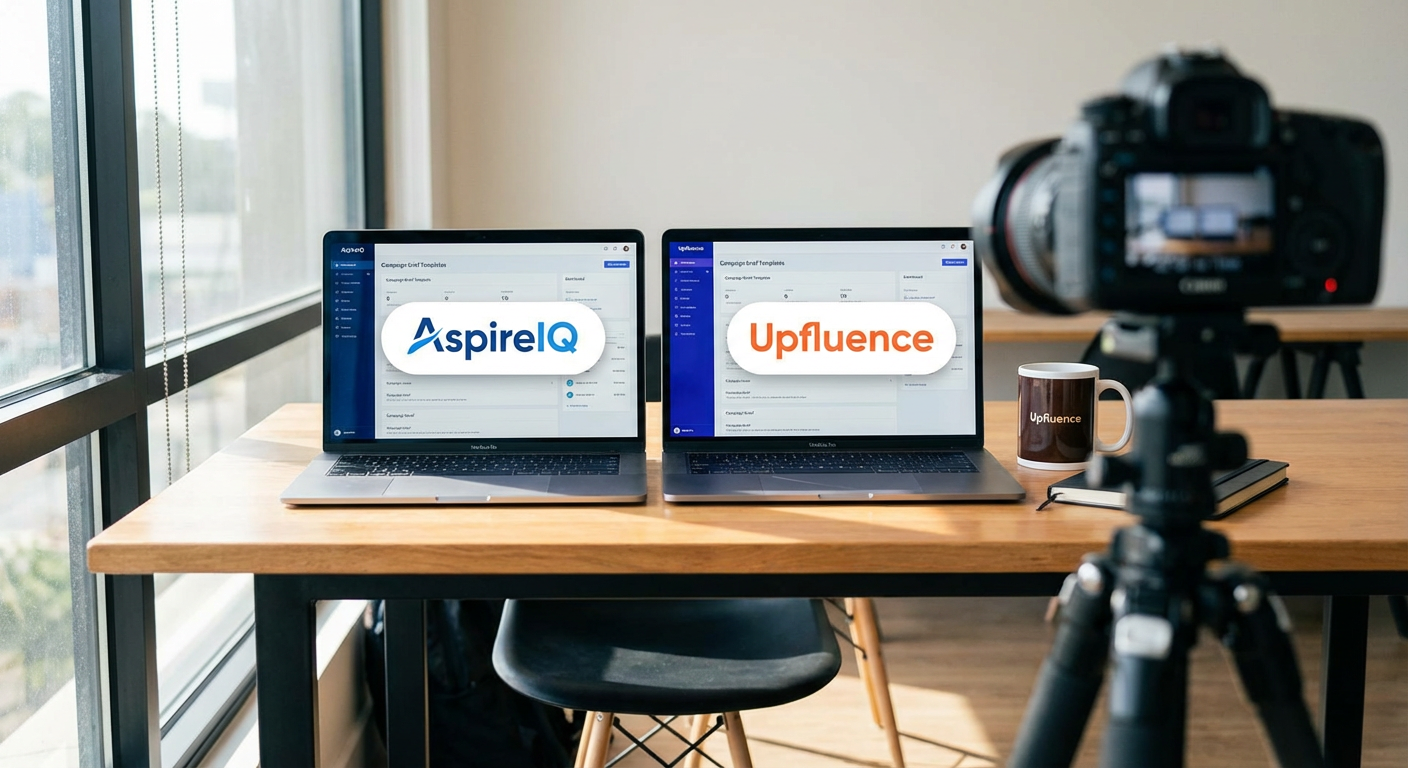
AspireIQ focuses heavily on relationship building and long-term creator partnerships, with tools designed for brands that want to cultivate communities rather than run one-off campaigns. The interface prioritizes communication and collaboration, making it ideal for brands with dedicated influencer managers. The downside is a steeper learning curve and higher price point that may not suit smaller operations.
Upfluence, by contrast, emphasizes discovery and data. Its search capabilities pull from a massive database of social profiles, and the analytics go deep into audience demographics and engagement patterns. This makes it better for brands that need to find new creators quickly based on specific criteria. However, some users report that the relationship management features feel less developed compared to AspireIQ. Your choice depends on whether you value relationship depth or discovery breadth more.
- Grin versus Creator.co
Grin positions itself as an all-in-one solution for e-commerce brands, with native integrations for Shopify and other platforms that track sales directly from influencer posts. This tight integration is powerful for performance tracking but locks you into their ecosystem. The platform requires a significant investment and works best for brands already running substantial influencer programs.
Creator.co takes a different approach with a freemium model that lets brands start without any upfront cost. The free tier includes basic discovery and outreach tools, which makes it accessible for testing. Paid tiers add more sophisticated features like campaign management and detailed analytics. The trade-off is that the free version has limitations that may frustrate growing brands, and the creator database, while solid, is smaller than some competitors. Grin offers more power but demands more budget and commitment, while Creator.co lets you start small and scale gradually.
- Traackr versus Klear
Traackr has built its reputation on influencer vetting and authenticity verification. The platform uses proprietary algorithms to assess creator credibility, audience quality, and brand alignment. This makes it valuable for brands concerned about fake followers or engagement fraud. The interface is clean and professional, favored by enterprise teams and agencies. However, the price reflects this premium positioning, and smaller brands may find the feature set more than they need.
Klear, owned by Meltwater, brings media monitoring capabilities into the mix. You get influencer discovery and campaign management plus the ability to track broader social conversations and brand mentions. This integrated approach helps brands understand how influencer content fits into their larger social presence. The learning curve is steeper because of the additional features, and the pricing structure can get complicated with add-ons. Choose Traackr if influencer vetting is your top priority, or Klear if you want a platform that handles influencer marketing alongside broader social listening.
- HYPR versus Julius
HYPR markets itself on data accuracy, claiming that its database pulls first-party data directly from social platforms rather than relying on estimates. This means more reliable audience demographics and engagement metrics, which matters when you’re making decisions based on numbers. The platform caters to brands and agencies that run large campaigns where data precision justifies the cost. The interface feels built for analysts rather than casual users.
Julius takes a more relationship-focused approach with features that help brands manage long-term partnerships and track creator performance over time. The platform includes contract management and payment processing, which streamlines administrative work. Some users find the creator discovery less robust than HYPR’s data-driven approach, but the workflow tools save time on campaign execution. If you’re comparing these two, ask yourself whether you need best-in-class data or best-in-class workflow management.
- Influencity versus HypeAuditor
Influencity offers a balanced feature set at a mid-tier price point, making it a popular choice for growing brands. The platform covers discovery, analytics, campaign management, and reporting without overwhelming users. The interface is intuitive, and most teams can get up to speed quickly. The trade-off is that it doesn’t dominate any single category. If you need the absolute best fraud detection or the largest creator database, you might look elsewhere.
HypeAuditor specializes in fraud detection and audience quality analysis. The platform’s reports break down follower authenticity, engagement patterns, and audience demographics with impressive detail. Brands worried about wasting budget on fake influencers appreciate this focus. However, HypeAuditor’s campaign management features are more basic compared to full-service platforms. It works well as a vetting tool used alongside other platforms, or as a primary solution for brands where authenticity checking matters most.
- Mavrck versus Activate
Mavrck built its platform for enterprise brands running complex, multi-channel influencer programs. The system handles everything from micro-influencer campaigns to celebrity partnerships, with workflows that accommodate legal reviews, compliance checks, and multi-level approvals. This sophistication comes with complexity and cost that make sense for large organizations but overwhelm smaller teams.
Activate by Impact focuses on affiliate and partnership marketing with influencer capabilities built in. This hybrid approach works well for brands that want to blur the lines between traditional affiliate programs and influencer collaborations. The platform tracks performance and handles payments through its affiliate infrastructure, which can simplify operations. The trade-off is that pure influencer features may feel less developed than dedicated platforms. Compare these two by asking whether you need enterprise-grade influencer tools or a combined affiliate and influencer solution.
- CreatorIQ versus Lumanu
CreatorIQ serves enterprise brands and agencies with sophisticated needs around creator management, content rights, and campaign orchestration. The platform’s content library features help brands organize and repurpose creator content across channels. Reporting capabilities are detailed and customizable, which matters for teams that need to present results to executives. The price point and complexity make this a poor fit for small businesses or brands just starting with influencer marketing.
Lumanu takes a different angle by focusing on the payment and financial side of creator relationships. The platform streamlines invoicing, tax documentation, and payment processing, which becomes painful when you’re working with dozens or hundreds of creators. It integrates with other influencer platforms rather than trying to replace them. This narrow focus means you’ll likely need additional tools for discovery and campaign management, but Lumanu solves a specific problem that other platforms often handle poorly. Your choice depends on whether you need comprehensive campaign management or specialized payment operations.
- Afluencer versus Collabstr
Afluencer operates as a free platform where brands post campaign briefs and creators apply. This marketplace model keeps costs low for brands, though you’ll invest time reviewing applications and communicating with interested creators. The platform attracts micro and mid-tier influencers, which works well for brands targeting authentic, niche audiences. The lack of advanced search filters means you’re relying on creators to find you rather than proactively hunting for specific profiles.
Collabstr also uses a marketplace approach but with more structure around pricing and deliverables. Creators list their rates and services publicly, so brands can browse and purchase directly. This transparency speeds up the process but may limit negotiation flexibility. The creator pool skews toward Instagram and TikTok, with strong representation in lifestyle and fashion verticals. Both platforms offer budget-friendly alternatives to subscription-based tools, with the trade-off being less hand-holding and fewer automated features. Choose based on whether you prefer a campaign brief model or a service listing model.
- NeoReach versus Heepsy
NeoReach positions itself as a full-service platform with a particular strength in campaign analytics and ROI measurement. The reporting tools connect influencer activity to business outcomes, which helps justify marketing spend to stakeholders. The platform handles campaigns from start to finish, including contract management and creator payments. This comprehensive approach comes with a higher price tag and works best for brands running regular campaigns where the time savings justify the cost.
Heepsy offers a more streamlined, affordable option focused primarily on influencer discovery. The search interface is straightforward, and the pricing is accessible for small businesses. You get audience analytics and contact information, but campaign management features are limited. Many users treat Heepsy as a discovery tool and handle outreach and campaign execution separately. The comparison here is between a complete platform with a significant investment versus a focused tool that does one thing well at a lower price point.
- Modash versus Influencer Marketing Hub
Modash emphasizes speed and simplicity in its interface, making it easy to search millions of creator profiles and analyze their audiences quickly. The platform provides detailed demographic breakdowns and engagement metrics without overwhelming users with unnecessary features. Pricing is transparent and based on team size, which makes budgeting straightforward. The trade-off is fewer bells and whistles compared to enterprise platforms, but many users appreciate the focus on core functionality.
Influencer Marketing Hub operates more as a directory and educational resource than a traditional platform. Brands can find agencies, tools, and creators through the site, and the educational content helps teams learn best practices. The platform doesn’t charge users directly but connects them with service providers who may have their own fees. This model works well for brands still figuring out their strategy or looking for agency partners rather than DIY tools. The comparison here is between a hands-on discovery platform and a referral-based resource hub.
- Tagger Media versus Brandwatch Influence
Tagger Media, now part of Sprout Social, combines influencer marketing with social media management capabilities. This integration helps brands coordinate their owned social content with creator partnerships in one place. The analytics are robust, and the platform supports campaigns across multiple social networks. The acquisition by Sprout Social means the pricing and packaging may evolve, and some users report that customer support responsiveness has changed.
Brandwatch Influence brings the company’s social listening expertise into influencer marketing. The platform excels at identifying trending creators and understanding how influencer content performs within broader social conversations. This context helps brands make smarter partnership decisions. However, the price reflects Brandwatch’s enterprise positioning, and the platform may offer more capability than smaller brands need. Compare these based on whether you want influencer marketing integrated with social management or with social intelligence and listening.
- Shout for Good versus LTK
Shout for Good (formerly Klear’s social good arm) specializes in connecting brands with cause-focused creators and nonprofit partnerships. If your campaigns tie into social responsibility or charitable giving, this platform understands that niche. The creator pool is smaller but highly aligned with purpose-driven marketing. The trade-off is limited applicability outside of cause marketing campaigns.
LTK (formerly LIKEtoKNOW.it) dominates the shopping-focused influencer space, particularly for fashion, beauty, and home decor. The platform connects creators with commission-based partnerships and provides proprietary shopping links that track conversions. This works exceptionally well for product-focused campaigns but less so for brand awareness or engagement goals. LTK creators are accustomed to the platform’s affiliate model, which can make negotiations different from traditional sponsored content. Choose Shout for Good for cause campaigns or LTK for shopping-driven partnerships, recognizing that both serve specific niches.
- BrandBacker versus Influence.co
BrandBacker offers a self-service platform where brands create campaigns and creators apply to participate. The system includes product seeding options, making it useful for brands that want to send samples in exchange for content rather than paying cash. The platform handles logistics like shipping tracking, which saves administrative time. The creator pool includes many micro-influencers willing to work for products, which keeps costs down but may not suit brands needing larger reach.
Influence.co operates as a professional network for creators, similar to LinkedIn but focused on influencer marketing. Brands can search creator profiles, view portfolios, and reach out directly. There’s no campaign management infrastructure, so you’ll handle everything from negotiation to payment outside the platform. This DIY approach keeps costs minimal but requires more hands-on work. The comparison boils down to whether you want a managed campaign system with product seeding or a simple directory for finding and contacting creators independently.
- Fohr versus Tribe Dynamics
Fohr provides free tools for creators to build media kits and track their analytics, then charges brands to access the network and run campaigns. This creator-first approach means the platform attracts influencers who are organized and serious about partnerships. The interface is clean, and the pricing is reasonable for small to medium brands. Campaign management features cover the basics without getting overly complex.
Tribe Dynamics takes an analytics-heavy approach, focusing on earned media value and competitive benchmarking. The platform tracks how creator content performs compared to competitors and calculates the media value generated by influencer partnerships. This appeals to brands that need to justify influencer marketing spend with concrete metrics. The price point is high, reflecting the sophisticated analytics capabilities. Compare these by deciding whether you need a practical campaign platform with a strong creator network or an analytics powerhouse for measuring and comparing campaign performance.
No single platform wins across every category. The best choice depends on your budget, team size, campaign complexity, and specific pain points. Smaller brands often benefit from marketplace models or freemium options that keep upfront costs low while they test strategies. Growing companies may need more comprehensive tools that streamline workflows as volume increases. Enterprise teams typically require sophisticated features like fraud detection, legal workflows, and detailed analytics. Take time to identify which trade-offs you can accept and which features you absolutely need. Most platforms offer demos or trials, so test a few options before committing. The right platform should make your campaigns easier to run, not more complicated.
Recent Comments