12 Underrated Zero-Click SEO Tactics That Quietly Build Brand Visibility
Zero-click searches are changing how people find information online. Many users get the answers they need directly on the search results page without clicking through to any website. While that might sound like bad news for traffic, it’s actually a golden opportunity for brand visibility. If your brand appears in these zero-click results, you’re positioning yourself as an authority in front of people at the exact moment they need help. This list focuses on the lesser-known tactics that most marketers overlook. These hidden strategies can help you claim valuable real estate in search results and build recognition without relying on traditional clicks.
- Tap Into Freelance Marketplaces Like Legiit for Authority Signals
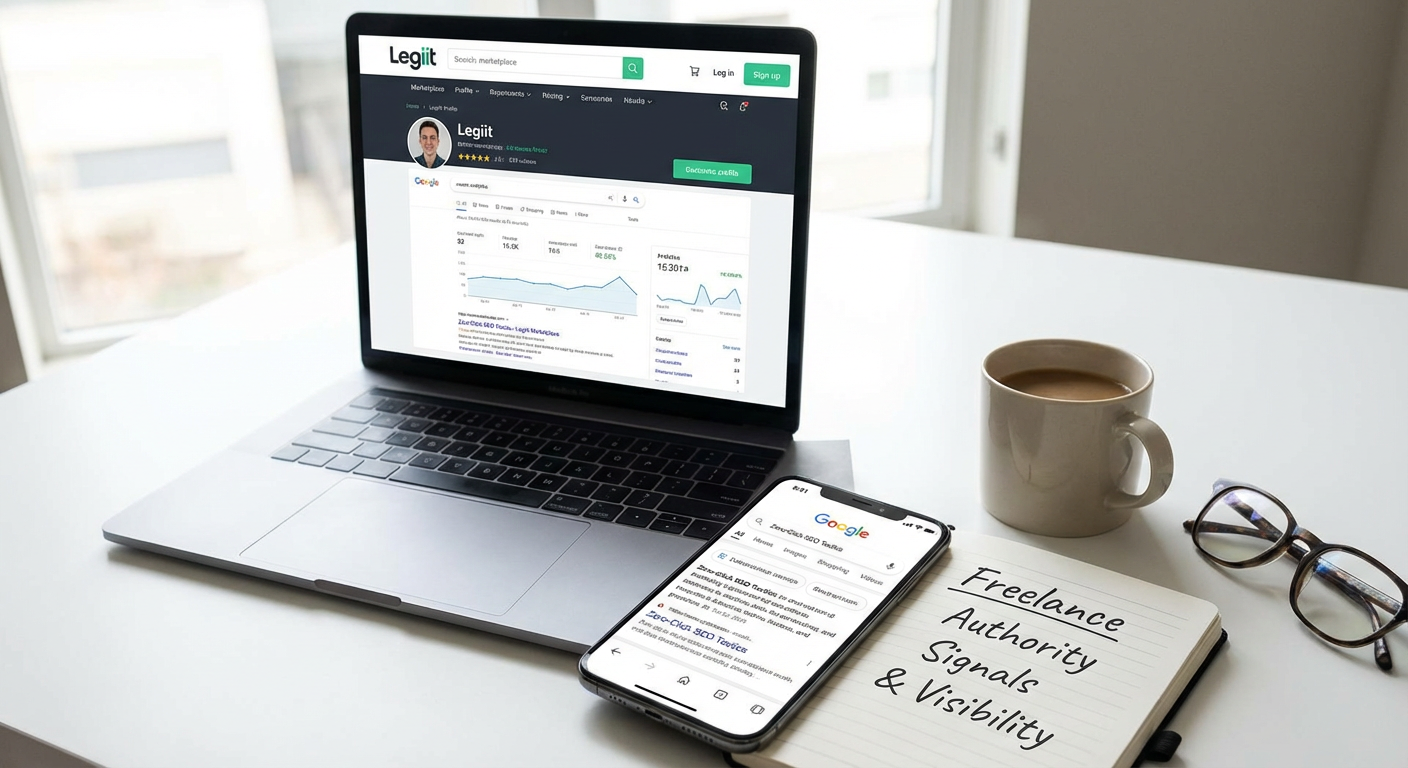
Most SEO discussions focus on social media profiles and business directories, but specialized marketplaces often get ignored. Legiit is a freelance platform where digital marketing professionals offer their services, and it creates a powerful opportunity for brand visibility. When you establish a well-optimized profile on Legiit with detailed service descriptions, client reviews, and expertise markers, search engines often pull this information into knowledge panels and related searches.
The platform’s domain authority means your profile can rank for branded searches and industry terms, giving potential clients a credible third-party validation of your skills. Many business owners searching for services see these marketplace profiles in search results before they ever visit a company website. This creates trust and recognition that works in your favor, even if the searcher doesn’t immediately click through to your site.
- Optimize Your Google Business Profile Posts for Event Markup
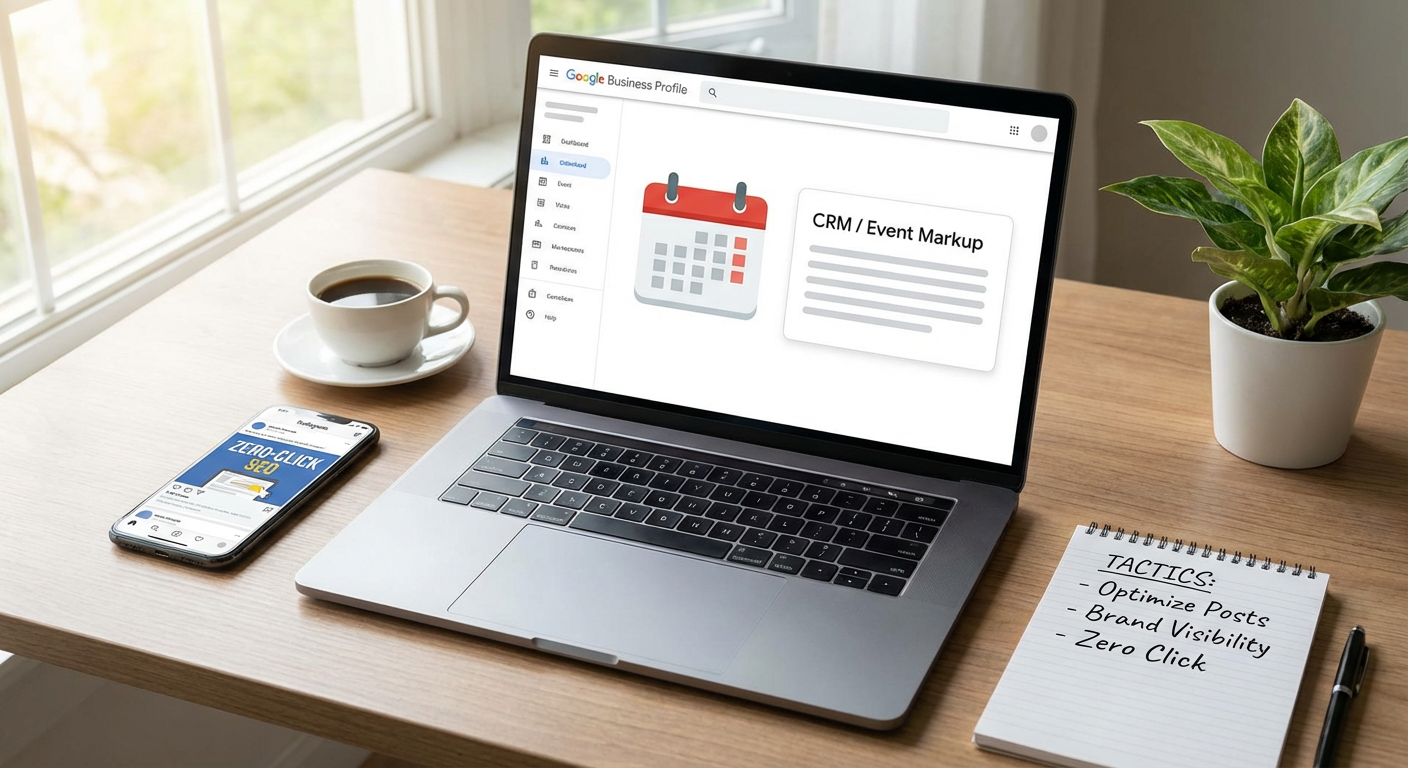
While everyone knows about Google Business Profile, very few people use the Posts feature strategically for event markup. When you create posts about webinars, workshops, or local events using proper structured data, Google can display these directly in the local pack and knowledge panel. This gives you prime visibility for people searching for industry events or learning opportunities in your niche.
The posts expire after seven days, which means you need to maintain a consistent schedule. However, this regular activity signals to Google that your business is active and engaged with your community. Include clear event details, relevant images, and a strong description that positions your brand as a knowledge leader.
- Answer Specific Questions on Industry Forums With Your Real Name
Reddit, Quora, and niche industry forums are often dismissed as too time-consuming or low-value for SEO. The truth is that Google increasingly pulls forum answers into featured snippets and People Also Ask boxes. When you consistently answer specific, detailed questions in your field using your real name and a consistent username, you build personal brand recognition that translates into zero-click visibility.
The key is specificity. Don’t give generic advice. Provide detailed, nuanced answers that demonstrate deep expertise. Over time, your username becomes associated with quality information in your niche. People start recognizing your name even before they visit your website, and Google begins treating you as a subject matter authority.
- Create Comparison Tables That Google Can Scrape
Most content creators write long-form comparison articles, but they bury the actual comparison in paragraphs of text. Google loves structured comparison tables because they’re easy to parse and display directly in search results. When you create clean HTML tables comparing products, services, features, or solutions in your industry, Google can pull these into rich results without users needing to click.
Your brand name should appear in the table as either the source attribution or as one of the compared items. This gives you visibility even when users get their answer without visiting your page. Make sure your tables are mobile-friendly and use semantic HTML markup so search engines can properly interpret the data.
- Contribute Expert Quotes to HARO and Similar Services
Help a Reporter Out (HARO) and similar journalist request services are well-known, but most people use them hoping for backlinks. The real hidden value is the zero-click visibility these quotes generate. When journalists include your expert opinion in their articles, these quotes often get pulled into Google’s featured snippets, especially for trending topics or breaking news in your industry.
Your name and company affiliation appear directly in search results, building recognition with people who never click through to read the full article. The more consistently you contribute quality insights, the more likely Google is to surface your quotes in relevant searches. Focus on providing genuinely helpful perspectives rather than promotional content, and your brand becomes associated with industry expertise.
- Optimize Your LinkedIn Articles for Long-Tail Professional Queries
LinkedIn articles are surprisingly underused for zero-click SEO, especially for B2B brands. The platform’s high domain authority means well-optimized articles can rank for specific professional queries and appear in Google’s search results with your name and headline prominently displayed. Even if users don’t click, they see your name positioned as a thought leader on that topic.
Focus on answering very specific professional questions that your target audience searches for. Use clear, descriptive titles that match search intent. LinkedIn’s native formatting often creates rich snippets that display your key points directly in search results, giving you visibility and authority signals without requiring a click to your website or profile.
- Build Out Your Brand’s Entity Knowledge With Wikidata Entries
Most marketers know about Wikipedia but completely ignore Wikidata, which is the structured database that powers many knowledge panels across the web. If your brand, product, or even yourself as a founder meets notability criteria, you can create or enhance Wikidata entries with accurate, structured information. Google and other search engines pull from Wikidata to populate knowledge graphs and answer boxes.
This is particularly powerful for brands in technical, scientific, or specialized industries where accurate data relationships matter. When you properly structure your entity data on Wikidata, you increase the chances that search engines will display your information in zero-click formats. The process requires attention to detail and proper sourcing, but the long-term visibility benefits are substantial.
- Create Video Chapters That Appear in Search Snippets
Video SEO usually focuses on getting views, but properly structured video chapters create a different opportunity. When you upload videos to YouTube with detailed chapter markers and timestamps, Google can display these chapters directly in search results as jump links. Users see your brand, video title, and chapter descriptions without clicking, which builds familiarity and positions you as a comprehensive resource.
The chapters should target specific questions or subtopics that people search for independently. This way, your single video can appear in search results for multiple queries, each showing different chapter information. Your channel name and brand appear consistently across these results, creating repeated exposure that builds recognition over time.
- Maintain Active Profiles on Niche Industry Directories With Q&A Features
General directories like Yelp get plenty of attention, but specialized industry directories with Q&A features are often overlooked. Platforms specific to your industry, whether it’s legal, medical, real estate, or another field, often rank well for niche searches. When you actively answer questions on these platforms, your responses can appear in Google’s results alongside your professional profile information.
These answers show up for highly qualified searches from people specifically looking for expertise in your field. The combination of your detailed answer preview, your professional credentials, and the directory’s authority creates strong zero-click visibility. Focus on directories that have good domain authority and active user communities rather than trying to be everywhere at once.
- Structure Your FAQ Content With Specific Question Schema
FAQ schema is somewhat known, but most websites implement it incorrectly or too generically. The real value comes from structuring very specific questions that match actual search queries in your niche. When you use proper FAQ schema markup on questions that people literally type into Google, your answers can appear in multiple rich result formats including featured snippets, People Also Ask boxes, and direct answer cards.
Your brand name appears as the source of these answers, building trust even when users don’t visit your site. The key is research. Use actual search query data to identify the exact phrasing people use, then create FAQ content that matches those queries word-for-word. This precision dramatically increases your chances of winning zero-click placements.
- Publish Detailed How-To Content With Step Schema Markup
How-to content is common, but very few sites properly implement HowTo schema markup. When you structure your instructional content with this specific schema type, Google can display your steps directly in search results as an expandable list. Users see your brand name, the task description, and often the first few steps without clicking through.
This format is particularly effective for practical, task-based searches where users want quick guidance. Your brand becomes associated with being helpful and authoritative on that specific task. Include images for each step when possible, as these can also appear in the rich results, making your listing more visually prominent and memorable in search results.
- Engage With Google’s People Also Search For Queries
The People Also Search For (PASF) feature appears when users return to search results after clicking a result. Most SEO strategies ignore this because it seems reactive, but you can proactively target these queries. Research shows that PASF suggestions often represent clarifying or related searches that reveal what users really want to know.
When you create content specifically targeting common PASF queries in your niche, you increase your chances of appearing in multiple positions for a single user session. Even if they don’t click your result, seeing your brand name appear repeatedly for related searches creates strong recognition. Track what PASF queries appear for your main target keywords, then develop content that directly addresses those follow-up questions with clear, concise answers that can be featured in snippets.
Zero-click SEO isn’t about fighting against how people search. It’s about meeting them where they are and building brand recognition in the spaces they actually use. These underrated tactics work precisely because most marketers overlook them in favor of more obvious strategies. By focusing on structured data, niche platforms, and specific query matching, you can claim valuable visibility that compounds over time. Start with one or two of these tactics that align best with your brand and audience, then expand as you see results. The goal isn’t just to appear in search results but to become a recognized name that people trust, even before they ever visit your website.
Recent Comments