

15 Essential Tools and Services Every E-commerce Store Owner Needs to Succeed
Running an online store means juggling inventory, marketing, customer service, and a dozen other tasks at once. The right tools can make the difference between spending all day fighting fires and actually growing your business. This list covers the core services and platforms that help e-commerce owners work smarter, save time, and increase sales. Whether you’re just starting out or looking to streamline your existing operation, these essentials will help you build a more efficient and profitable store.
- Legiit for Freelance Talent and Services

When you need skilled help but don’t want to hire full-time employees, Legiit connects you with vetted freelancers who specialize in e-commerce tasks. From product photography and copywriting to SEO and social media management, you can find professionals who understand online retail. The platform makes it easy to browse portfolios, compare rates, and hire quickly without the overhead of traditional agencies. Many store owners use Legiit to fill skill gaps and scale up during busy seasons without long-term commitments.
- Shopify for Store Management
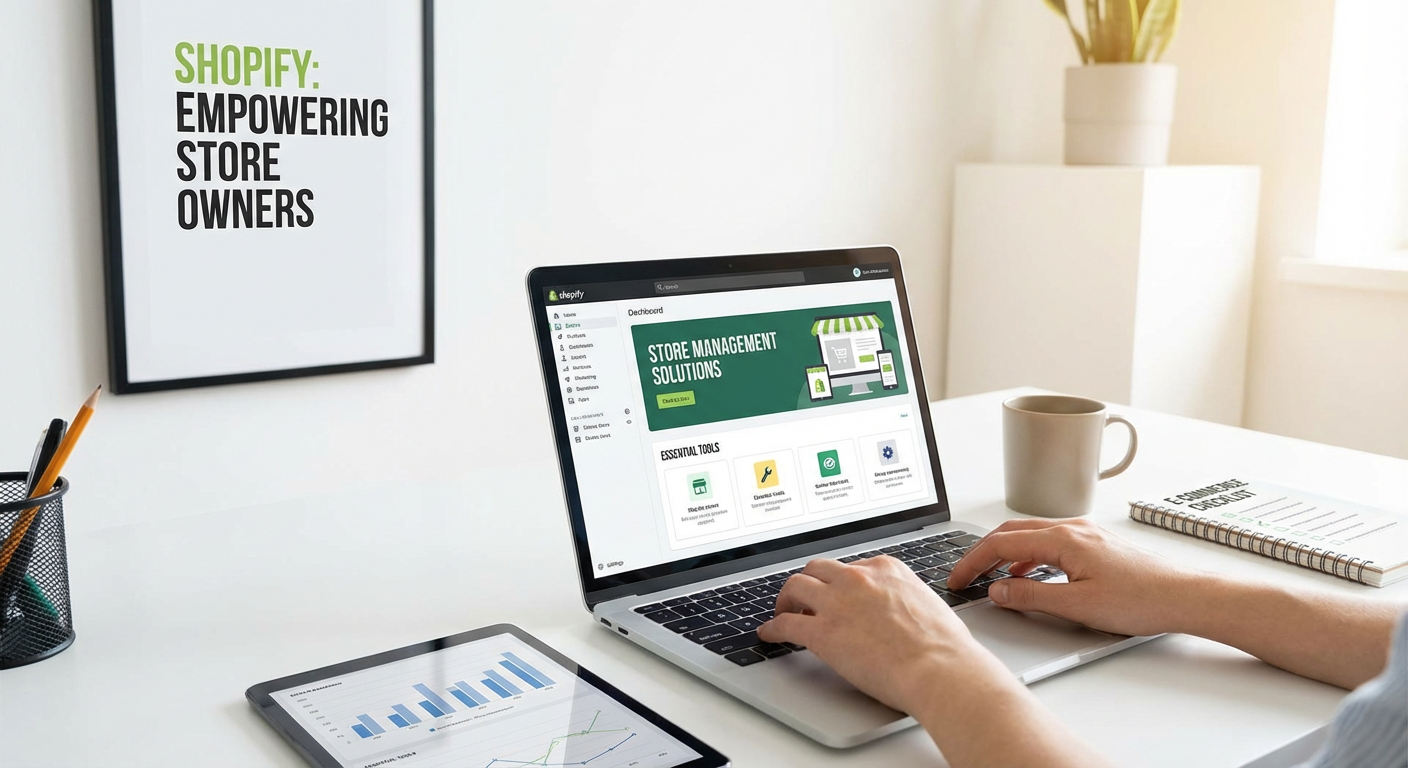
Shopify remains one of the most popular platforms for building and running an online store, and for good reason. It handles everything from product listings and inventory tracking to payment processing and order fulfillment. The interface is straightforward enough for beginners but powerful enough to support stores doing millions in revenue. With thousands of apps available, you can add almost any feature you need as your business grows. If you want a reliable foundation that won’t require constant technical support, Shopify delivers.
- Google Analytics for Traffic Insights
Understanding where your visitors come from and what they do on your site is critical for making smart decisions. Google Analytics gives you detailed data about traffic sources, user behavior, conversion rates, and more, all for free. You can see which products get the most views, where customers drop off during checkout, and which marketing channels actually drive sales. The learning curve can be steep at first, but even basic knowledge of this tool will help you stop guessing and start using real data to guide your strategy.
- Klaviyo for Email Marketing
Email remains one of the highest-converting channels for e-commerce, and Klaviyo is built specifically for online stores. It integrates directly with your shop to send personalized messages based on browsing behavior, purchase history, and cart abandonment. You can set up automated flows that welcome new subscribers, win back inactive customers, and recommend products based on past purchases. The segmentation features let you send the right message to the right person at the right time, which dramatically improves open rates and revenue per email.
- QuickBooks for Accounting
Keeping your finances organized from day one will save you massive headaches at tax time. QuickBooks connects to your bank accounts and e-commerce platform to automatically track income, expenses, and inventory costs. You can generate profit and loss statements, manage invoices, and see exactly where your money is going. While the software has a bit of a learning curve, it’s far better than trying to manage everything in spreadsheets. Many accountants are already familiar with QuickBooks, which makes working with professionals much easier.
- Zendesk for Customer Support
Happy customers come back and tell their friends, so providing excellent support matters. Zendesk consolidates emails, chat messages, and social media inquiries into one dashboard so nothing falls through the cracks. You can create saved responses for common questions, track resolution times, and assign tickets to team members as you grow. The reporting features help you identify recurring issues that might point to problems with products or your website. Good support tools turn frustrated customers into loyal advocates.
- Canva for Visual Content Creation
Eye-catching graphics help your products stand out on social media, in email campaigns, and on your website. Canva makes design accessible even if you have zero graphic design experience. The platform offers thousands of templates for social posts, banners, promotional graphics, and more. You can customize colors and fonts to match your brand, resize designs for different platforms, and collaborate with team members. While professional designers can create more polished work, Canva lets you handle most everyday design needs quickly and affordably.
- ShipStation for Shipping and Fulfillment
Managing orders across multiple sales channels and shipping carriers can quickly become chaotic. ShipStation brings everything together in one place, letting you compare rates, print labels, and track shipments efficiently. It connects with all major carriers and e-commerce platforms, automatically importing orders and syncing tracking information. You can set up automation rules to route orders based on destination, weight, or priority level. The time savings add up fast, especially during peak seasons when you’re processing dozens or hundreds of orders daily.
- Hootsuite for Social Media Scheduling
Maintaining an active social media presence takes consistent effort, and posting manually throughout the day isn’t practical. Hootsuite lets you schedule posts across multiple platforms weeks in advance from a single dashboard. You can plan campaigns, preview how posts will look on different networks, and track engagement metrics. The bulk scheduling feature is particularly helpful when you want to maintain consistency during vacations or busy periods. Social media matters for building brand awareness and driving traffic, so having a system to manage it efficiently is essential.
- Hotjar for User Experience Analysis
Sometimes you need to see your website through your customers’ eyes to understand why they’re not buying. Hotjar records visitor sessions, creates heatmaps showing where people click, and collects feedback through surveys and polls. Watching real users struggle with your checkout process or miss important calls to action reveals problems you’d never spot on your own. These insights help you make targeted improvements that actually boost conversions rather than just guessing what might work. The recordings can be eye-opening and often reveal simple fixes that make a big difference.
- Stripe for Payment Processing
Accepting payments securely and reliably is obviously non-negotiable for any online store. Stripe handles credit cards, digital wallets, and international payments with strong fraud protection built in. The developer-friendly platform works with virtually every e-commerce system and supports subscription billing if you sell memberships or recurring products. Transparent pricing with no hidden fees makes it easy to calculate costs, and funds typically transfer to your bank account within days. While your store platform may include payment processing, Stripe often offers more flexibility and better rates as you scale.
- Trello for Project Management
Keeping track of product launches, marketing campaigns, and operational tasks requires organization. Trello uses a simple board and card system that lets you visualize workflows and collaborate with team members. You can create boards for different areas of your business, assign tasks, set due dates, and attach files or links. The flexibility means you can adapt it to your specific needs rather than forcing your workflow into rigid structures. Many store owners use Trello to plan content calendars, track inventory issues, and coordinate with freelancers or employees.
- Google Workspace for Business Communication
Professional email addresses, cloud storage, and collaboration tools help your business look legitimate and function smoothly. Google Workspace provides custom email addresses with your domain name, shared calendars, video conferencing, and file storage that your team can access from anywhere. The familiar Gmail interface means minimal learning curve, and the integration between email, docs, and calendar makes coordination effortless. Having business-class communication tools also protects you better than free personal accounts and gives customers confidence when they contact you.
- SEMrush for SEO and Competitive Research
Getting organic traffic from search engines can dramatically reduce your advertising costs over time. SEMrush helps you find keywords your target customers are searching for, analyze what your competitors are doing, and track your rankings. You can identify content opportunities, audit your site for technical issues, and monitor backlinks. The competitive intelligence features let you see which keywords drive traffic to rival stores and what ads they’re running. While SEO takes time to pay off, having the right data makes your efforts far more effective.
- LastPass for Password Security
Store owners typically manage dozens of accounts across platforms, suppliers, and services. Reusing passwords or storing them insecurely puts your entire business at risk. LastPass generates strong passwords, stores them encrypted, and fills them in automatically when you need to log in. You can securely share access with team members without revealing actual passwords and quickly revoke access when someone leaves. The small monthly cost is nothing compared to the potential damage from a security breach. Protecting your accounts properly is basic business hygiene that too many owners neglect until it’s too late.
Building a successful e-commerce business requires more than just great products. The tools and services you choose determine how efficiently you can operate, how well you serve customers, and how quickly you can grow. Start with the essentials that address your biggest pain points, then add more specialized tools as your needs evolve. Most of these services offer free trials, so you can test them before committing. The right combination of tools will free up your time to focus on strategy and growth instead of getting buried in daily tasks.
Recent Comments