
5 Reliable Fiverr Alternatives When You Need Serious Graphic Design Work
Fiverr has its place, but sometimes you need graphic design services that go beyond the race-to-the-bottom pricing model. Whether you’re building a brand identity from scratch, redesigning your website, or creating marketing materials that actually convert, the platform you choose matters. This list focuses on alternatives that prioritize quality over volume, giving you access to experienced designers who treat your project as more than just another gig. If you’ve been burned by inconsistent results or endless revisions, these five options offer a different approach to finding design talent that delivers.
- Legiit

Legiit started as a marketplace for digital marketing services and has grown into a solid option for businesses that need reliable graphic design work. The platform attracts designers who specialize in marketing-focused visuals, which means you’re more likely to find someone who understands conversion principles, not just aesthetics.
What sets Legiit apart is the service structure. Many designers offer fixed-price packages with clear deliverables, so you know exactly what you’re getting before you pay. This eliminates the guesswork that comes with hourly billing or vague project scopes. The review system is transparent, and because the platform caters to small business owners and marketers, the designers tend to communicate in plain language rather than design jargon.
Legiit also has a strong community element. You can find designers who specialize in specific niches like e-commerce graphics, social media templates, or lead magnet design. The platform doesn’t flood you with thousands of identical profiles, which makes it easier to identify designers whose style and experience match your needs. If you’re running a business and need design work that ties directly to your marketing goals, Legiit offers a practical middle ground between cheap freelance marketplaces and expensive agency retainers.
- Toptal
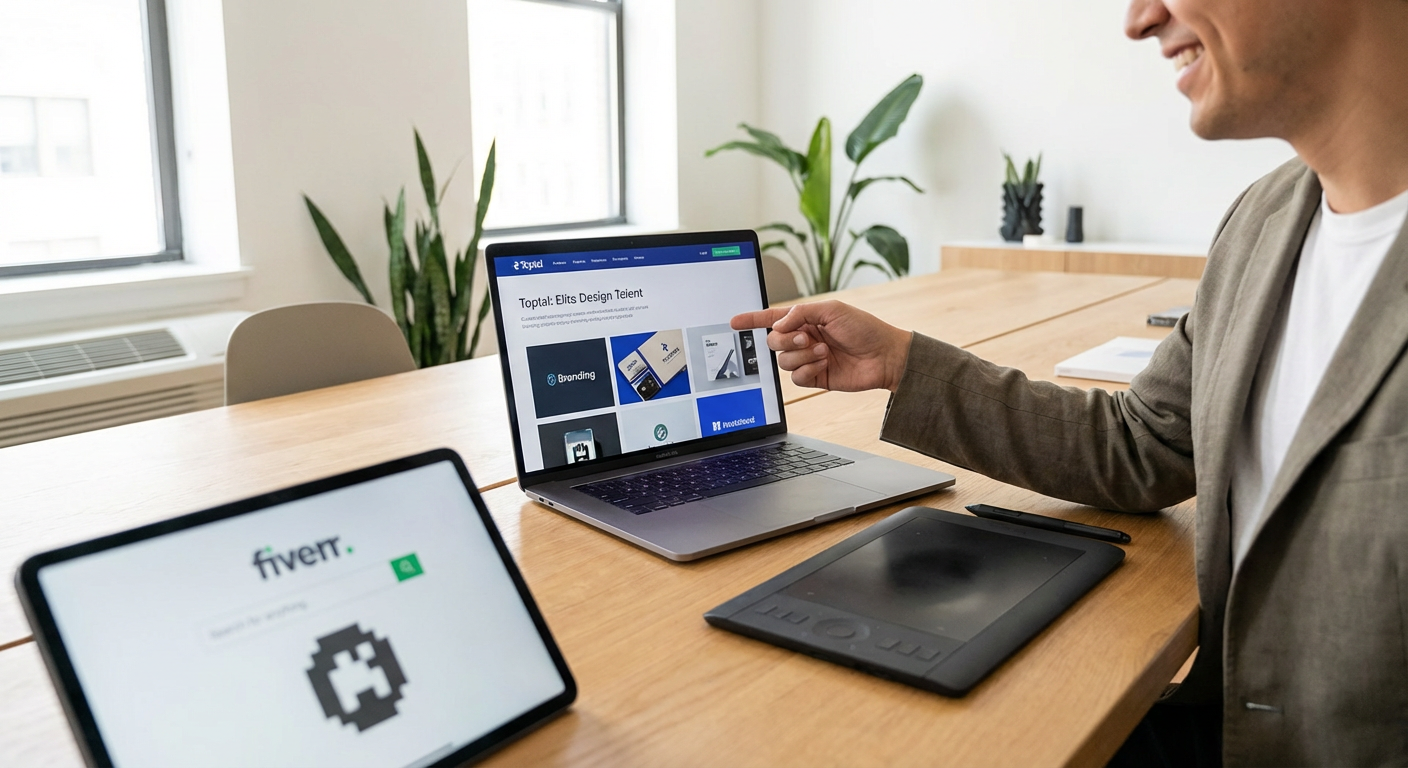
Toptal takes a completely different approach by screening designers before they can join the platform. Only about 3% of applicants make it through their vetting process, which means you’re working with people who have proven track records and solid portfolios. This is not the place to go if you need a quick logo for fifty bucks. Toptal is built for companies that need senior-level design talent for complex projects.
The matching process involves a consultation where you describe your project requirements, timeline, and budget. Toptal then connects you with designers who fit your criteria. You can interview candidates before committing, which gives you a chance to evaluate their communication style and approach. Most designers on the platform have worked with major brands or run their own successful studios.
Expect to pay premium rates here. Toptal designers typically charge between $70 and $200 per hour, depending on their experience and the project scope. But you’re paying for reliability and expertise. These are designers who can handle brand strategy, complex UI/UX work, and multi-channel campaigns. If your project has serious business implications and you can’t afford mistakes, the higher cost often pays for itself in reduced revisions and better outcomes.
- Behance
Behance is not a traditional marketplace. It’s a portfolio platform owned by Adobe where designers showcase their work. You can browse millions of projects, filter by style or industry, and reach out to designers directly. This approach requires more effort on your part, but it gives you access to a massive pool of talent without platform fees eating into your budget.
The advantage of Behance is that you can see a designer’s full body of work before making contact. You’re not limited to a few thumbnail images on a profile page. You can explore case studies, see how designers solve problems, and get a real sense of their creative range. Many designers list their contact information or link to their personal websites where you can learn about their rates and process.
The downside is that you’re on your own for negotiations, contracts, and payment. There’s no platform to mediate disputes or hold funds in escrow. This works well if you’re comfortable managing freelance relationships independently and prefer to avoid marketplace fees. Behance is particularly useful for finding designers who specialize in specific industries or styles, since you can search by tags and browse curated collections. If you have the time to do outreach and want to work directly with designers, this platform offers more flexibility than structured marketplaces.
- Dribbble
Dribbble operates similarly to Behance but with a more focused community. Designers post individual shots of their work, which makes it easy to scan visual styles quickly. The platform has a job board where you can post projects, but many clients prefer to browse portfolios and reach out to designers directly through the site’s messaging system.
Dribbble attracts designers who care deeply about craft and visual polish. You’ll find a lot of UI designers, illustrators, and brand identity specialists here. The work tends to skew modern and minimalist, though there’s plenty of variety if you dig deeper. Many designers on Dribbble are already employed full-time but take on select freelance projects, which means you might be working with people who have day jobs at well-known companies.
Pricing varies widely since you’re negotiating directly with individual designers. Some are just starting out and charge modest rates to build their portfolios. Others are established professionals who command agency-level fees. The platform offers a Pro Business subscription that lets you see which designers are available for hire and filter by location, skills, and availability. This can save time if you’re trying to assemble a shortlist quickly. Dribbble works best when you have a clear visual direction in mind and want to find someone whose existing style matches what you’re looking for.
- Working Not Working
Working Not Working is a membership-based platform that connects companies with freelance creative talent. It’s less like a gig marketplace and more like a private network. Creatives pay to be part of the community and set their availability status, which tells potential clients when they’re open to new projects. Companies can browse profiles, review portfolios, and reach out to designers who match their needs.
The membership model creates a different dynamic than open marketplaces. Designers who pay to be on the platform tend to be more serious about their freelance work and more responsive to inquiries. The community includes not just graphic designers but also art directors, copywriters, and other creative professionals, which can be useful if your project needs multiple skill sets.
Working Not Working provides salary guidelines and rate ranges for different roles and experience levels, which helps set realistic expectations during negotiations. The platform also verifies portfolios and professional backgrounds, adding a layer of credibility that’s missing from completely open marketplaces. This is a good option if you’re a company that hires freelancers regularly and wants access to a vetted pool of talent without going through agencies. The interface is clean and the search filters are detailed enough to narrow down candidates by specific skills, software proficiency, and work history. It’s particularly popular with startups and mid-sized companies that need flexible creative support without the overhead of full-time hires.
Finding the right platform for graphic design work depends on what you value most. If you need speed and convenience with clear pricing, marketplaces like Legiit offer straightforward service packages. If quality and expertise matter more than cost, vetted platforms like Toptal connect you with senior-level talent. And if you prefer to do your own research and work directly with designers, portfolio sites like Behance and Dribbble give you access to millions of professionals without platform restrictions. The key is matching the platform to your project requirements, budget, and how much time you want to spend managing the relationship. Any of these alternatives can deliver better results than Fiverr if you choose the one that fits your specific situation.
Recent Comments