
5 Freelance Marketplaces That Help Startups Stretch Every Dollar
When you’re running a startup with limited funds, every expense matters. Hiring full-time employees isn’t always realistic, but you still need talented people to build your website, create your marketing materials, manage your social media, and handle dozens of other tasks. Freelance marketplaces offer a practical solution. They connect you with skilled professionals who work on a project basis, so you only pay for what you need. This guide walks through five platforms that cater specifically to budget-conscious startups. Each one offers something different, whether it’s pricing structure, talent specialization, or support features. By the end, you’ll know exactly where to look for affordable freelance help that doesn’t sacrifice quality.
- Legiit

Legiit stands out as a marketplace built specifically for digital marketing services, which makes it particularly valuable for startups trying to get noticed online. The platform operates on a service-based model where freelancers list specific offerings with fixed prices, so you know exactly what you’re paying before you commit. This transparency helps startups avoid budget surprises.
What makes Legiit especially helpful for tight budgets is the range of affordable services. You can find SEO specialists, content writers, social media managers, and web developers who understand startup constraints. Many sellers offer packages at various price points, giving you the flexibility to start small and scale up as your business grows. The platform also includes a rating system and detailed seller profiles, so you can vet freelancers before hiring them.
Another benefit is the focus on long-term relationships. Unlike platforms where you’re constantly hunting for new talent, Legiit makes it easy to find reliable freelancers and work with them repeatedly. This consistency saves time and money because you’re not explaining your brand and goals to someone new every month. For startups that need ongoing marketing support without the overhead of full-time staff, this approach makes excellent financial sense.
- Toptal
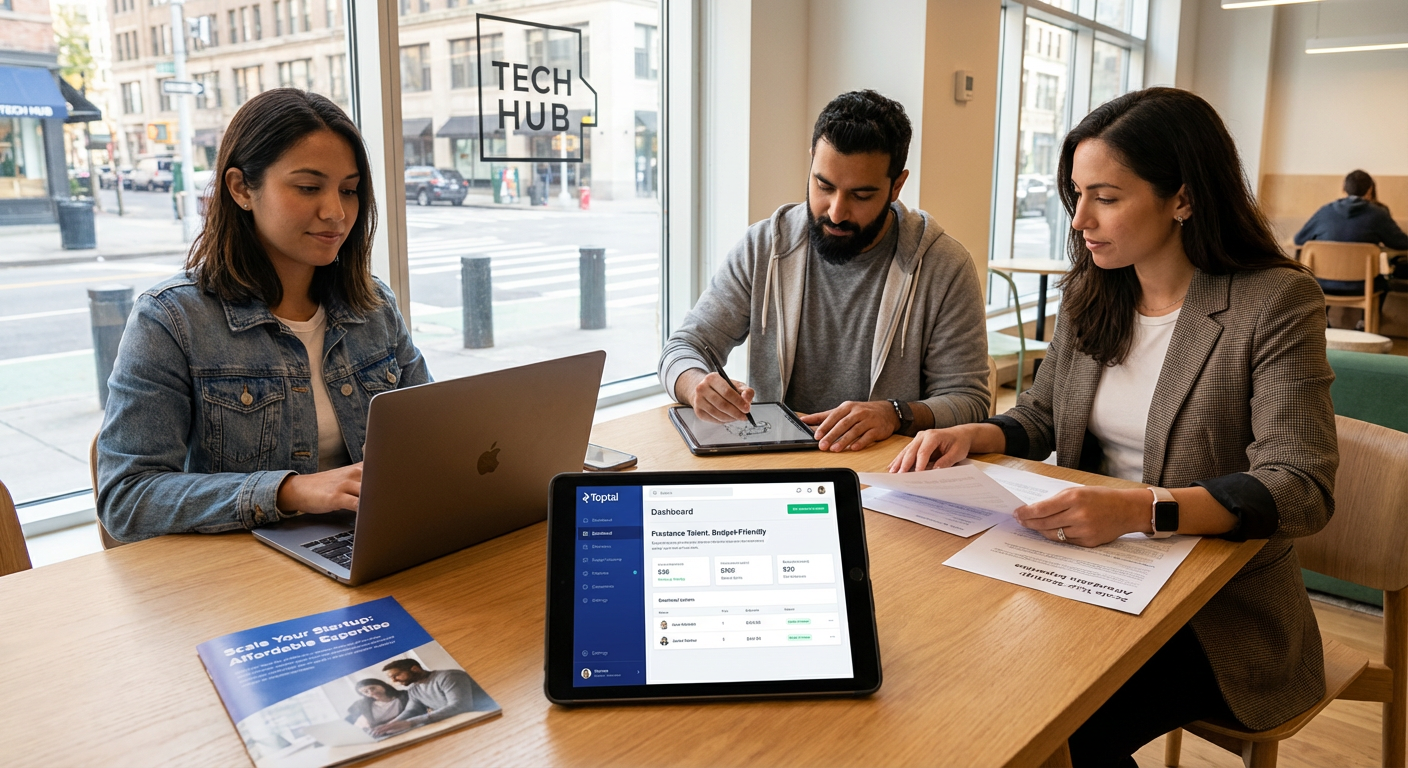
Toptal takes a completely different approach by focusing on the top tier of freelance talent. The platform screens freelancers rigorously, accepting only about 3% of applicants. This might sound expensive, but for startups that need specialized technical skills, it can actually save money in the long run.
The reason Toptal works for budget-conscious startups is simple: mistakes cost more than expertise. If you hire a cheap developer who builds unstable code, you’ll spend far more fixing problems than you would have spent hiring someone skilled from the start. Toptal connects you with senior developers, designers, and finance experts who can do the job right the first time. The platform offers flexible engagement models, including hourly and project-based rates, so you’re not locked into long contracts.
Startups building complex products or dealing with technical challenges often find that paying slightly more upfront for Toptal talent results in faster delivery and fewer revisions. The platform also provides a matching service where they help you find the right freelancer based on your specific needs, which reduces the time you spend interviewing candidates. For startups where time equals money, this efficiency matters.
- PeoplePerHour
PeoplePerHour caters to startups that need flexibility above all else. The platform allows you to post projects and receive proposals from freelancers, or you can browse pre-packaged services called Hourlies. These Hourlies work similarly to fixed-price services, giving you clear deliverables and costs before you buy.
The budget advantage comes from the diverse pricing on the platform. You’ll find freelancers from around the world offering competitive rates, and the proposal system lets you compare multiple quotes for the same project. This competition naturally drives prices down while still maintaining quality, since freelancers know they need strong portfolios and reviews to win work.
PeoplePerHour also offers a workstream feature that helps you manage ongoing projects with freelancers you trust. Once you find someone who delivers good work at a fair price, you can keep working with them directly through the platform. The payment protection system ensures that funds are only released when you approve the work, giving you security without needing complicated contracts. For startups juggling multiple small projects with limited oversight capacity, this structure provides both affordability and peace of mind.
- Guru
Guru positions itself as a platform for finding freelancers across nearly every category, from creative work to technical projects to administrative support. The site has been around for quite some time, which means it has built up a large pool of experienced freelancers who understand how to work with businesses of all sizes.
For startups watching their budgets, Guru offers several payment options that provide flexibility. You can pay by the hour, by the project, or set up task-based payments. This variety means you can structure deals in whatever way makes the most financial sense for your specific situation. If you have a clear project scope, fixed pricing works well. If you’re still figuring things out, hourly might be safer.
The platform also includes a SafePay system that holds funds in escrow until you approve the work. This protects your money and ensures freelancers get paid fairly, creating a trust framework that benefits everyone. Guru charges lower fees than many competing platforms, which means more of your budget goes directly to paying for the work itself rather than platform overhead. The search and filtering tools let you narrow down candidates by skills, ratings, location, and price range, making it easier to find someone who fits both your needs and your budget constraints.
- 99designs
99designs specializes exclusively in design work, making it the go-to platform for startups that need logos, branding materials, website designs, packaging, or other visual assets. The platform offers two main ways to hire: you can work directly with a designer, or you can run a design contest where multiple designers submit concepts and you choose your favorite.
The contest model is particularly budget-friendly for startups because you get multiple design options for a single fee. Instead of paying a designer for several rounds of revisions that might not hit the mark, you see diverse approaches from different creative minds and only pay for the one you select. Contest packages start at accessible price points, and you can adjust the prize amount based on your budget and the complexity of what you need.
For startups that know exactly what they want, the direct hire option lets you browse designer portfolios and work one-on-one with someone whose style matches your vision. Either way, 99designs includes a money-back guarantee if you’re not satisfied with the results. This removes much of the risk from hiring designers remotely. Since visual branding is critical for startups trying to make a strong first impression, having an affordable way to access quality design work can make the difference between looking professional or homemade.
Finding affordable freelance help doesn’t mean settling for poor quality or taking unnecessary risks with your startup’s limited resources. Each of these five platforms offers distinct advantages depending on what you need. Whether you’re focused on digital marketing, complex technical projects, flexible small tasks, general business support, or professional design work, there’s a marketplace structured to help you get the most value from every dollar. The key is matching your specific needs with the platform that serves those needs best. Take time to explore a couple of options, read freelancer reviews carefully, and start with smaller projects to test the waters. As you build relationships with reliable freelancers, you’ll find that outsourcing becomes not just affordable but actually more cost-effective than trying to do everything in-house. Your startup’s success depends on making smart resource decisions, and these marketplaces give you the tools to do exactly that.
Recent Comments