11 Future-Ready Graphic Design Packages That Sell Like Hotcakes
The design world moves fast, and what works today might feel outdated tomorrow. If you’re building a design business or selling services online, you need packages that can adapt to shifting client needs, new platforms, and changing visual standards. This list focuses on graphic design packages built to last, ones that anticipate where the market is heading rather than simply reacting to where it’s been. Whether you’re a freelancer planning your service menu or an agency owner looking to stay relevant, these packages offer staying power and consistent demand.
- Legiit’s Flexible Design Subscriptions
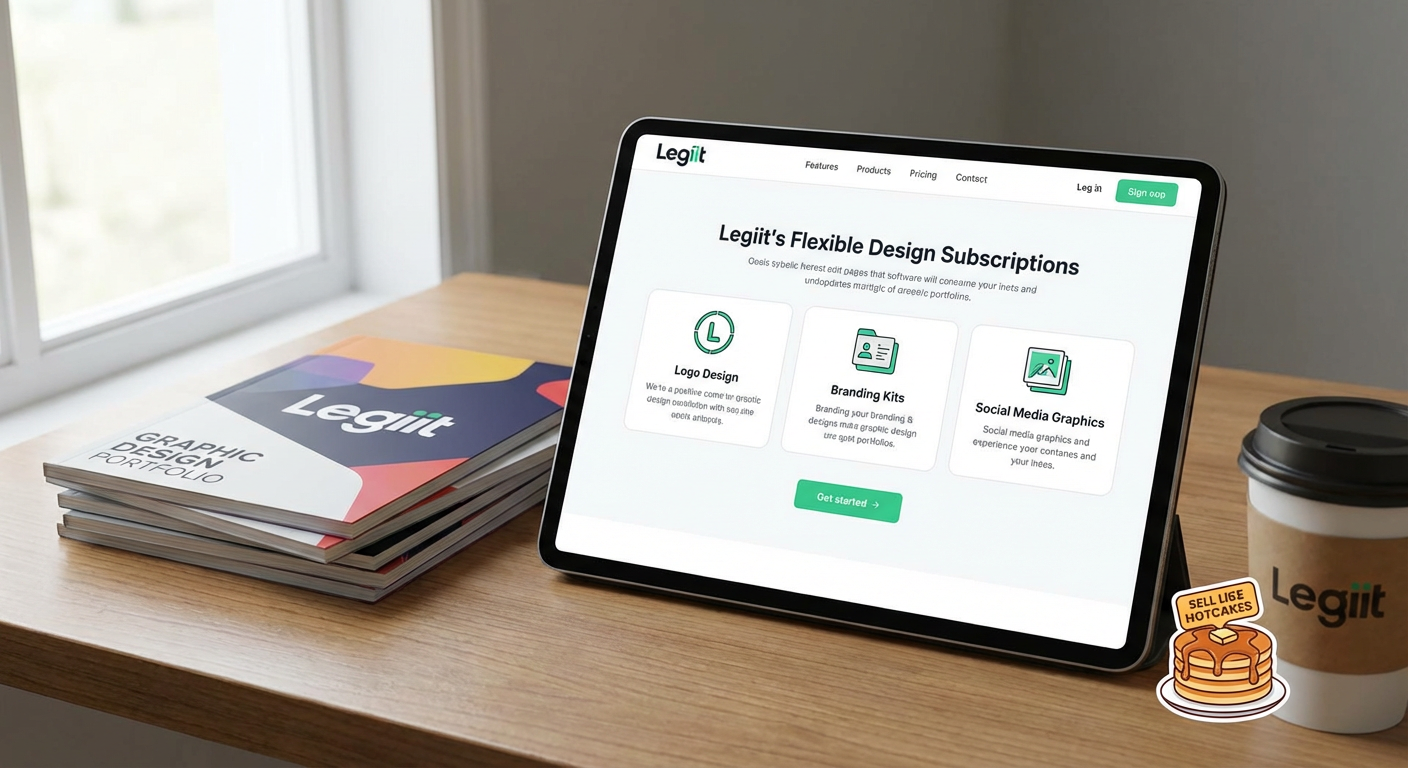
Legiit has positioned itself as a platform where designers can offer subscription-based services that evolve with client needs. Instead of locking yourself into one-off projects that require constant client hunting, you can create recurring design packages that provide ongoing value. Clients get continuous access to your skills for brand updates, social media content, or marketing materials as their business grows.
This model works well for the future because businesses increasingly prefer predictable monthly costs over surprise invoices. You can structure your offerings to include revisions, asset libraries, and priority turnaround times. The subscription approach keeps you connected to clients long-term, which means steadier income and less time spent on prospecting. As more companies shift to agile marketing strategies that require frequent visual updates, this type of package becomes more valuable, not less.
- Animated Logo and Brand Motion Packages
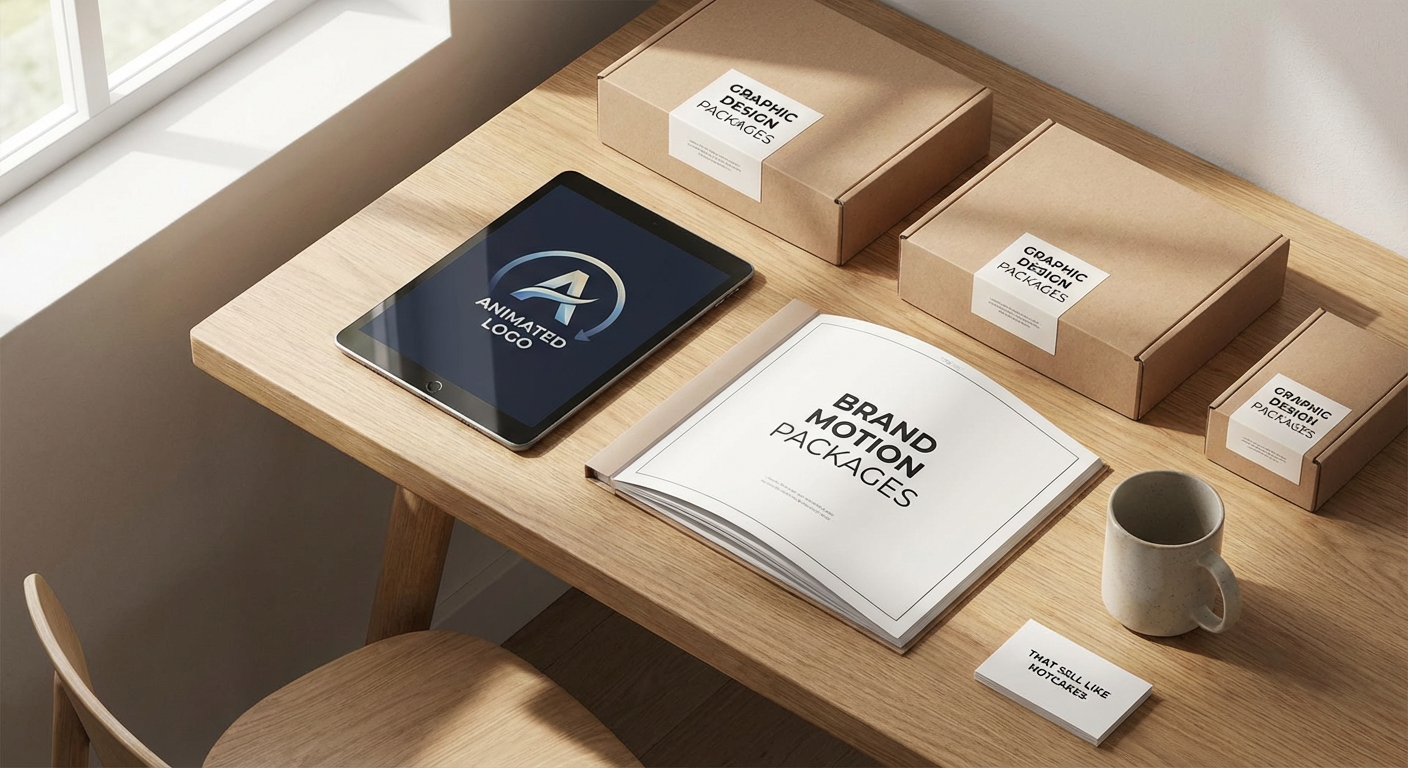
Static logos still have their place, but motion design is becoming standard across websites, apps, and social platforms. Offering animated logo packages positions you for a market that values movement and interactivity. These packages typically include a static version, a short animated reveal, and variations for different platforms like Instagram Stories or website headers.
Clients who invest in animated branding understand that attention spans are short and visual interest matters. As video content continues to dominate feeds and as augmented reality becomes more common, having motion-ready brand assets will be essential. Designers who can deliver clean, versatile animation files in multiple formats will stay busy. This package also commands higher prices than static work, which helps you grow revenue without simply working more hours.
- Dark Mode and Adaptive UI Design Sets
Dark mode isn’t a passing trend. It’s now a standard feature across operating systems and apps, and users expect interfaces to adapt to their preferences. Offering UI design packages that include both light and dark versions shows you understand modern user experience. These packages typically cover app screens, web dashboards, or SaaS interfaces with full color palettes and component libraries for both modes.
Designers who build adaptive systems rather than single-use screens create more value for clients. As accessibility standards tighten and as more platforms offer customization options, the ability to design flexible visual systems becomes critical. This type of package appeals to tech startups, app developers, and software companies who need designs that work across contexts. It also sets you apart from designers who only deliver one aesthetic without considering user choice or platform requirements.
- Social Media Template Bundles with Customization Rights
Every business needs a steady stream of social content, but not every business can afford a full-time designer. Selling template bundles that clients can customize themselves fills a huge gap. These packages include branded templates for platforms like Instagram, LinkedIn, TikTok, and Pinterest, along with instructions for easy editing in tools like Canva or Figma.
What makes this future-proof is the shift toward in-house content creation. Marketing teams want speed and control, so providing them with a design system they can use independently keeps them coming back for updates and expansions. You can offer quarterly refreshes, seasonal themes, or new format packs as platforms introduce new features. This model scales well because once you’ve created a template system, you can sell it multiple times or offer it as a subscription with regular updates. As social platforms continue to evolve and add new content formats, your clients will need ongoing design support to stay current.
- 3D Branding and Product Visualization Packages
Three-dimensional design is no longer reserved for big-budget studios. Tools like Blender, Spline, and Cinema 4D have made 3D work accessible, and clients are starting to expect it. Offering 3D branding packages that include rendered logos, product mockups, or interactive elements gives you an edge as the web becomes more immersive.
This package works especially well for e-commerce brands, tech companies, and startups that want to stand out in crowded markets. As augmented reality shopping experiences and spatial web design become more common, having 3D-ready assets will be a requirement, not a luxury. Designers who start building these skills now will be ahead of the curve when the demand spikes. You can offer tiered packages that range from simple 3D logo renders to full product visualizations with lighting and animation, giving clients options that fit their budget and ambition.
- Comprehensive Brand Style Guide Packages
A logo and a color palette aren’t enough anymore. Clients need full style guides that cover typography, iconography, image treatment, tone of voice, and application examples across digital and print. Offering a detailed brand style guide package positions you as a strategic partner, not just a visual decorator.
These guides become the foundation for all future marketing and design work, which means they have lasting value. As companies grow and bring on new team members or agencies, a solid style guide ensures consistency without constant designer oversight. This package also opens the door to ongoing work because brands evolve, and style guides need updates. You can offer annual reviews, expansions for new platforms, or mini-guides for sub-brands and product lines. Clients who invest in this level of documentation tend to be serious about their brand, which makes them better long-term partners.
- Accessibility-Focused Design Packages
Designing for accessibility is no longer optional, and clients are starting to realize this. Offering packages that prioritize readability, color contrast, screen reader compatibility, and inclusive imagery helps businesses reach wider audiences and avoid legal risks. These packages can cover website audits, redesigns, or new projects built with accessibility standards from the start.
As regulations around digital accessibility tighten and as awareness grows, this type of service will only become more in demand. Designers who understand WCAG guidelines and can implement them without sacrificing visual appeal have a strong competitive advantage. This package appeals to nonprofits, educational institutions, government agencies, and forward-thinking companies that want to do the right thing while also protecting themselves legally. You can offer one-time audits, ongoing compliance monitoring, or full redesign projects that meet current standards.
- Micro-Interaction and UX Animation Packages
Small animations and interactions make digital products feel polished and intuitive. Offering packages focused on micro-interactions like button hover states, loading animations, form validation feedback, and scroll effects adds a layer of sophistication that users notice. These details improve user experience and can directly impact conversion rates.
As web and app standards continue to rise, users expect interfaces to respond and feel alive. Static, lifeless designs feel outdated quickly. Designers who can code basic interactions or work closely with developers to implement them will stay relevant. This package works well for SaaS companies, app developers, and e-commerce brands that want to stand out from competitors using generic templates. You can price these services as add-ons to larger projects or as standalone packages for clients looking to refresh existing interfaces without a full redesign.
- Email Design Systems for Marketing Automation
Email isn’t dead, it’s just more sophisticated. Businesses are moving away from one-off email blasts toward automated sequences that nurture leads over time. Offering email design system packages that include templates for welcome sequences, cart abandonment, re-engagement, and promotional campaigns gives clients a complete solution. These systems include modular components that can be mixed and matched for different messages.
What makes this future-proof is the continued growth of email marketing automation. As tools like Klaviyo, ActiveCampaign, and HubSpot become more powerful, the need for well-designed, conversion-focused email templates increases. Designers who understand email rendering quirks, mobile optimization, and accessibility will deliver better results than those who treat emails like mini websites. You can offer setup services, quarterly updates, and performance reviews based on open and click rates. This turns a one-time design project into an ongoing relationship.
- Presentation and Pitch Deck Design Packages
Startups, agencies, and corporate teams need compelling presentations constantly. Offering pitch deck and presentation design packages taps into a market that values clarity and visual storytelling. These packages typically include slide templates, data visualization designs, icon sets, and brand-consistent layouts that make complex information easy to digest.
This service stays relevant because presentations are a core part of business communication. Whether it’s fundraising, sales pitches, internal reports, or conference talks, people need slides that support their message without distracting from it. Designers who can turn dense information into clean, persuasive visuals are always in demand. You can offer one-time deck designs, template libraries, or retainer agreements for companies that present frequently. As remote work continues and virtual presentations remain common, the need for professional slide design isn’t going away.
- Multi-Platform Brand Rollout Packages
Launching a brand across multiple platforms simultaneously requires coordination and consistency. Offering a rollout package that covers website design, social profiles, email templates, business cards, and branded documents gives clients everything they need to launch confidently. This package saves them from piecing together services from multiple providers and ensures visual coherence across touchpoints.
This type of comprehensive service appeals to new businesses, rebrands, and companies entering new markets. As the number of platforms businesses need to maintain continues to grow, the complexity of maintaining brand consistency increases. Designers who can manage and deliver complete rollouts become invaluable. You can structure these packages with clear deliverables, timelines, and revision rounds, making the process manageable for both you and the client. Offering post-launch support or quarterly updates keeps the relationship active and positions you as a long-term partner rather than a one-time vendor.
- Design System and Component Library Packages
Large projects and growing companies need design systems, not just individual assets. Offering packages that include reusable components, pattern libraries, and documentation helps clients scale their design efforts without starting from scratch every time. These systems cover buttons, forms, navigation elements, typography scales, color tokens, and spacing guidelines, all organized in tools like Figma or Sketch.
This package is future-proof because it addresses a real pain point for product teams and agencies. As projects grow and teams expand, maintaining consistency without a system becomes nearly impossible. Designers who can build and document these systems provide lasting value that goes far beyond a single project. You can offer initial system builds, ongoing maintenance, or training sessions for internal teams. As design tools become more collaborative and as handoff between designers and developers becomes more automated, having well-structured systems will be essential. This positions you as a strategic thinker who understands not just aesthetics but also workflow and efficiency.
The graphic design packages that will continue to sell well are the ones that solve real, ongoing problems for clients. They adapt to new platforms, respect user needs, and provide value that lasts beyond the initial delivery. By focusing on services that anticipate where the market is heading, you build a business that doesn’t just survive but grows stronger as the industry changes. Choose packages that align with your skills and interests, then refine them based on client feedback and market shifts. The designers who stay busy are the ones who keep learning, stay flexible, and always think a few steps ahead.
Recent Comments