
10 Practical Tips for Using Platforms That Audit, Plan, and Hire in One Flow
Managing projects often means juggling multiple tools: one for finding talent, another for planning work, and yet another for tracking progress. Platforms that combine auditing, planning, and hiring into a single flow can save you hours of admin time and reduce costly mistakes. This guide gives you hands-on advice for making the most of these all-in-one platforms. Whether you’re building a marketing campaign, launching a website, or scaling your business operations, these practical tips will help you work smarter and hire better.
- Start With Legiit to Manage Your Full Service Workflow
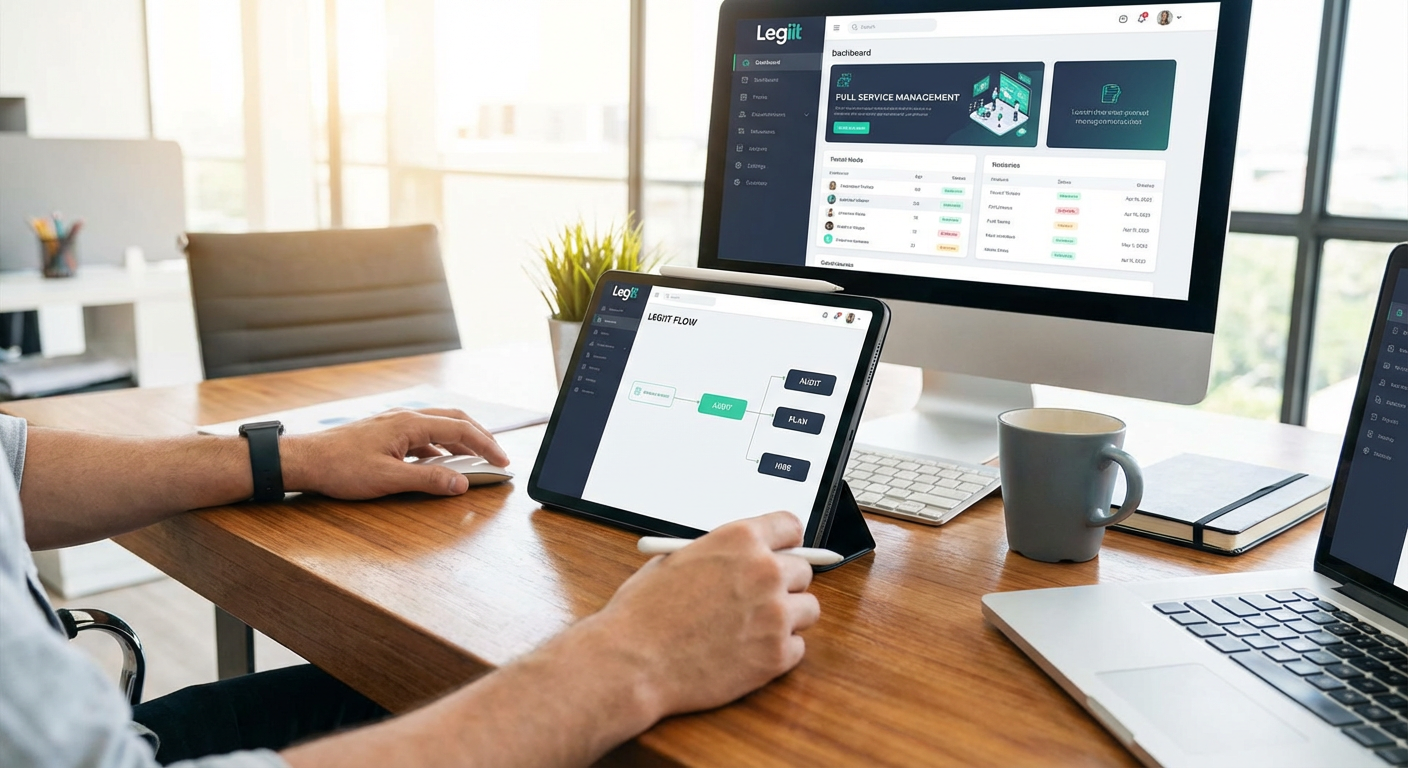
Legiit offers a practical approach to the audit-plan-hire process, especially if you work with freelancers or agencies regularly. The platform lets you browse services, evaluate providers based on real reviews and portfolio samples, and then manage the entire project from one dashboard.
When you use Legiit, start by exploring their marketplace to understand what services are available. Look at seller profiles carefully, noting their response times, completion rates, and client feedback. Once you hire, use the built-in messaging and milestone system to keep work on track. This approach keeps everything documented in one place, which matters when you need to reference past conversations or deliverables. The workspace feature also helps you organize multiple projects without switching between tools.
- Map Out Your Project Before You Start Searching for Talent

Before you open any hiring platform, spend thirty minutes writing down exactly what you need. Break your project into specific tasks with clear outcomes. For example, instead of writing ‘need marketing help,’ list ‘create three blog posts, design two social graphics, set up one email sequence.’
This preparation makes a huge difference when you start using an all-in-one platform. You can quickly filter for the right skills, compare relevant portfolios, and write better project briefs. Many people skip this step and end up hiring the wrong person or wasting time in back-and-forth clarifications. A simple Google Doc or spreadsheet with tasks, deadlines, and budget ranges will make your platform experience ten times smoother.
- Use Built-In Audit Tools to Identify Gaps Before Hiring Anyone
Most integrated platforms include some form of assessment or audit feature. These might be website analyzers, SEO checkers, skills gap assessments, or project readiness questionnaires. Always run these audits first, even if you think you know what you need.
The audit results often reveal problems you hadn’t considered. You might discover your website has technical issues that need fixing before you hire a content writer, or that your social media needs a strategy overhaul before you bring on a designer. Use the audit report as your roadmap. Share it with potential hires during the vetting process to see how they would approach the issues. This not only helps you hire smarter but also gives you concrete talking points and benchmarks for measuring success later.
- Set Up Milestones and Payment Gates From Day One
When a platform lets you manage the full workflow, take advantage of milestone-based payments. Break your project into three to five clear phases, each with a specific deliverable and payment amount. For example: research and strategy (20%), initial draft or design (30%), revisions (30%), final delivery (20%).
This structure protects both you and the person you hire. You maintain control over quality and timeline, while the freelancer or agency knows exactly what they need to deliver to get paid. Set these milestones during the planning phase, before you even post the job or send the offer. Most platforms make this easy with templates or guided setup flows. The key is being specific about what ‘done’ looks like for each milestone, so there’s no confusion when it’s time to approve and release payment.
- Test Communication Speed During the Vetting Process
Communication quality matters as much as skills when you’re working with remote talent. Use the platform’s messaging system to test responsiveness before you commit. Send a detailed question about your project and see how quickly and thoroughly they respond.
Good candidates will reply within 24 hours with thoughtful answers that show they read your message carefully. They’ll ask clarifying questions and might offer suggestions you hadn’t thought of. Slow or generic responses are red flags. If someone takes three days to answer a simple question during the courtship phase, expect worse communication once the project starts. This simple test has saved countless people from hiring headaches. The platform’s chat history also becomes a useful reference if disputes arise later.
- Create a Simple Brief Template You Can Reuse
Write one solid project brief template and save it for future use. Include sections for background, specific tasks, deliverables, timeline, budget, communication preferences, and success criteria. Fill it out completely before you post a job or contact potential hires.
A good brief cuts your hiring time in half. It helps candidates give you accurate quotes and timelines, reduces misunderstandings, and makes you look professional and organized. Most all-in-one platforms let you save templates or duplicate previous projects, so you only need to write this once and then customize it for each new project. Include examples of work you like, brand guidelines if you have them, and any technical requirements. The fifteen minutes you spend on a thorough brief will save you hours of clarification emails later.
- Check Work at Every Milestone, Not Just at the End
When your platform includes project management tools, use them to review work incrementally. Don’t wait until the final deadline to look at what someone has produced. Schedule quick check-ins after each milestone to review progress and give feedback.
This approach prevents expensive mistakes and keeps projects on track. If something is going in the wrong direction, you can correct it early when changes are still simple and cheap. Most platforms make this easy with file sharing, comment threads, and approval workflows. Set calendar reminders to review work within 24 hours of each milestone submission. Give specific, actionable feedback rather than vague comments like ‘make it better’ or ‘this isn’t quite right.’ The platform’s history of these reviews also helps if you need to reference past decisions.
- Keep All Communication Inside the Platform
It’s tempting to move conversations to email, Slack, or text messages, but resist that urge. Keep everything inside the platform where you’re managing the project. This creates a complete record of decisions, changes, and agreements.
If a dispute arises or you need to reference something from three weeks ago, you’ll have everything in one searchable place. Platform communication also gives you protection if someone doesn’t deliver as promised. Most platforms offer support or dispute resolution, but they can only help if there’s a clear record of what was agreed. Make it a rule: all project discussions happen on the platform, period. If someone sends you an email or text about the project, reply with ‘thanks, can you post that in the platform so I have it with the project files?’
- Use Filters and Search to Find Proven Specialists, Not Generalists
All-in-one platforms usually have hundreds or thousands of service providers. Use the search and filter tools to narrow down to people who specialize in exactly what you need. Look for specific skills, relevant portfolio pieces, and experience in your industry.
A specialist who has done your type of project twenty times will deliver better results faster than a generalist who does a little of everything. Check their portfolio for work that matches your project, not just work that looks nice. Read reviews from clients who hired them for similar tasks. Many platforms let you filter by delivery time, budget range, response rate, and completion percentage. Spend ten minutes setting up detailed filters rather than browsing randomly. You’ll find better matches and waste less time reviewing irrelevant profiles.
- Build a Shortlist of Reliable People for Future Projects
After you complete a project successfully, save that person’s profile and add notes about what they did well. Most platforms have a favorites or shortlist feature. Use it to build your own roster of trusted professionals you can return to for similar work.
This turns the platform from a one-time hiring tool into a long-term talent network. When you need something done quickly, you can skip the vetting process and go straight to someone you’ve worked with before. They’ll already understand your standards, communication style, and brand preferences. Over time, this shortlist becomes one of your most valuable business assets. Some platforms even let you create private teams or preferred provider lists. Take five minutes after each successful project to add the person to your shortlist and write a quick note about their strengths and ideal project types.
Platforms that combine auditing, planning, and hiring save time and reduce the friction that comes from juggling multiple tools. The key to getting real value from these systems is treating them as complete workflows, not just hiring boards. Run the audits, create clear plans, communicate consistently, and use the built-in project management features to stay organized. Start with one or two of these practical tips on your next project and add more as you get comfortable. The more you use these platforms as intended, the faster and smoother your projects will run.
Recent Comments