
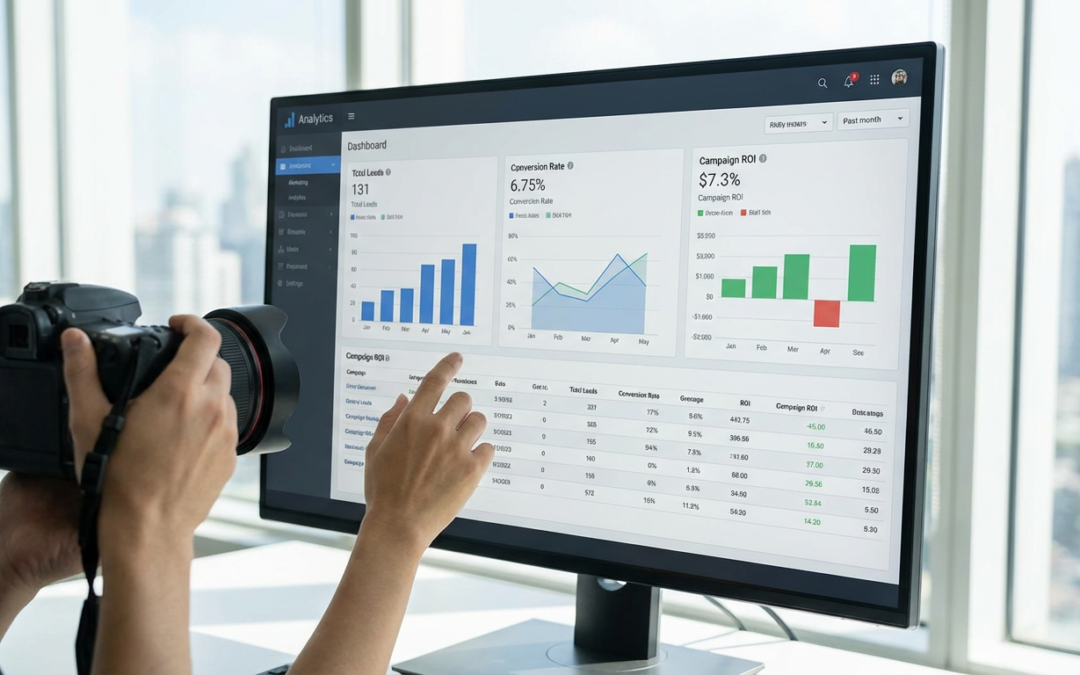
9 Analytics Dashboards That Make Tracking Marketing KPIs Actually Manageable
Marketing teams drown in data every day. You have website traffic numbers, email open rates, social media engagement, conversion percentages, and dozens of other metrics scattered across different platforms. The challenge isn’t getting the data. It’s making sense of it all without spending hours copying numbers into spreadsheets. A good analytics dashboard pulls everything together in one place so you can see what’s working, what’s failing, and where to focus your energy next. This list covers nine platforms that help you monitor your marketing performance without needing a data science degree.
- Legiit
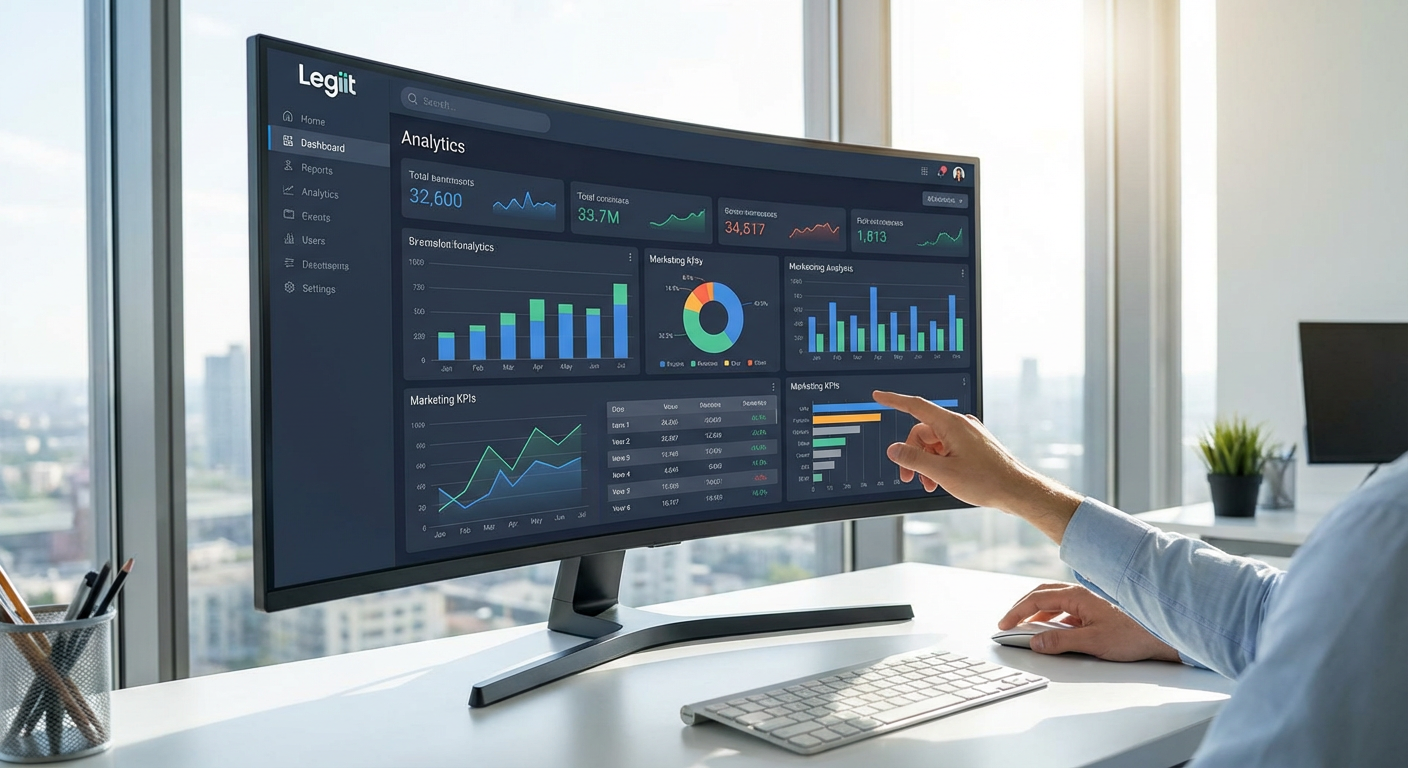
If you’re a small business owner or agency running marketing campaigns but don’t have the budget or expertise to build custom dashboards, Legiit connects you with professionals who can set up tracking systems for you. The platform hosts thousands of freelance marketers, developers, and data specialists who create custom reporting solutions, integrate analytics tools, and build dashboards that match your specific business needs.
What makes this approach useful is that you get personalized help instead of trying to figure out complex software on your own. A freelancer can connect your email platform, ad accounts, website analytics, and social channels into one reporting system that actually makes sense for how you run your business. You pay for the setup work once, then own the system going forward. This works especially well for companies that need something more specific than what standard dashboard templates offer but can’t justify hiring a full-time analyst.
- Klipfolio

Klipfolio specializes in building custom dashboards that pull data from virtually any source you can imagine. The platform works by connecting to your marketing tools through APIs, then letting you design exactly how you want that information displayed. You can track everything from Google Ads spend to Shopify sales to Mailchimp campaign performance on the same screen.
The learning curve is steeper than some plug-and-play options, but that complexity gives you serious flexibility. You’re not stuck with someone else’s idea of what metrics matter. If you need to track a specific conversion path or compare performance across different time periods in a particular way, you can build it. The platform includes pre-built templates to get started, which you can then modify as you learn what works for your team. It’s particularly strong for agencies managing multiple clients who each need different reporting structures.
- Cyfe
Cyfe takes a widget-based approach that makes building dashboards feel less technical. You select pre-built widgets for different data sources, drop them onto your dashboard, and customize what information they display. The interface feels more like arranging furniture in a room than writing code.
The platform connects with most major marketing tools, including social media platforms, Google Analytics, advertising networks, and email services. You can set up multiple dashboards for different purposes. One for daily social media monitoring, another for monthly revenue tracking, a third for website performance. Each widget updates automatically, so you always see current numbers without manual refreshes. The mobile app works well for checking key metrics when you’re away from your desk. Pricing stays reasonable even as you add more data sources, which matters when you’re tracking marketing across several channels.
- Whatagraph
Whatagraph focuses specifically on marketing reporting, which means it understands the metrics that actually matter to marketers rather than trying to be everything to everyone. The platform automatically pulls data from your marketing channels and organizes it into visual reports that clients and executives can understand without explanation.
Setup is faster than most alternatives because the platform already knows how to handle common marketing data sources. Connect your Facebook Ads account and it automatically tracks the right metrics. Link your Google Analytics and it pulls the standard performance indicators marketers care about. You can send automated reports on whatever schedule makes sense, which saves hours of manual report building each month. The visual presentation is clean and polished enough to send directly to clients without additional formatting work. This makes it particularly valuable for agencies that bill multiple clients and need to produce professional reports regularly.
- Mixpanel
Mixpanel takes a different approach by focusing on user behavior rather than just aggregate numbers. Instead of telling you that 10,000 people visited your site, it shows you what those people actually did, how they moved through your funnels, and where they dropped off. This matters because raw traffic numbers don’t tell you why your conversion rate is dropping or which marketing channels bring the most valuable users.
The platform tracks individual user actions, then lets you segment and analyze that behavior in dozens of ways. You can see which marketing campaigns bring users who actually complete purchases versus those who bounce immediately. You can identify which features engaged users interact with most. You can build cohort analyses to understand how user behavior changes over time. The interface requires some initial learning, but once you understand how to ask questions of your data, you get answers that generic dashboards can’t provide. This works best for companies with digital products or services where understanding user paths directly impacts marketing strategy.
- Geckoboard
Geckoboard is designed to be displayed on office screens where your whole team can see key metrics throughout the day. The platform emphasizes simplicity and readability from a distance, which means dashboards focus on the most important numbers rather than cramming in every possible data point.
This approach forces you to identify what really matters. You can’t display fifty metrics on a TV screen, so you pick the five or ten that actually drive decisions. The platform connects to most marketing tools and updates in real time, creating a living scoreboard of your marketing performance. Teams report that having metrics visible constantly keeps everyone aligned on goals and creates natural conversations about what’s working. The setup process is straightforward, with drag-and-drop widgets that connect to your data sources quickly. While you can access dashboards on computers and phones, the platform really shines when used for team-wide visibility rather than individual analysis.
- Grow
Grow positions itself as business intelligence for companies that don’t have dedicated data teams. The platform handles both marketing analytics and broader business metrics, which helps when you need to connect marketing performance to revenue, inventory, customer service, or other operational data.
The dashboard builder uses a visual interface that doesn’t require SQL knowledge, though you can write custom queries if you want that level of control. Pre-built connectors handle most common marketing platforms, and the company will build custom integrations if you use less common tools. What sets Grow apart is the ability to blend marketing data with information from your CRM, accounting software, and other business systems. This becomes valuable when you need to prove how marketing impacts bottom-line results rather than just showing engagement metrics. The platform includes collaboration features that let team members comment on specific data points and share insights without leaving the dashboard.
- Supermetrics
Supermetrics doesn’t provide dashboards itself. Instead, it moves marketing data from various platforms into tools you already use, like Google Sheets, Excel, Data Studio, or Looker. This matters if your team already has established workflows in these programs and doesn’t want to learn new software.
The platform connects to more than 80 marketing data sources and automates the process of pulling that information into your preferred reporting tool. You set up what data you want, where you want it, and how often it should update. Then Supermetrics handles the transfer automatically. This approach works particularly well for teams that have already built sophisticated reports in Google Sheets or Data Studio and just need a reliable way to keep those reports updated with current data. You maintain complete control over how information is analyzed and presented because you’re working in familiar tools. The downside is you need to build the actual dashboards yourself, but for teams with that capability, this offers more flexibility than pre-built dashboard platforms.
- AgencyAnalytics
As the name suggests, AgencyAnalytics built its platform specifically for agencies managing multiple client accounts. The system lets you create separate dashboards for each client while managing everything from one central account. Each client gets a branded login where they can check their own performance without seeing other clients’ data.
The platform includes templates for common marketing scenarios, which speed up onboarding new clients considerably. Connect their accounts, apply a template, customize the metrics they care about most, and you have a functional dashboard in minutes rather than hours. Automated reporting sends clients regular updates without manual work, and the white-label options let you brand everything with your agency logo and colors. The platform covers most major marketing channels, from SEO and PPC to social media and email marketing. Client management features let you track which clients have logged in to view their dashboards and which metrics they look at most, giving you insight into what they actually care about versus what you think they should care about.
The right analytics dashboard depends on what you need to accomplish. If you want something simple that displays key metrics on an office screen, your needs differ from an agency managing twenty client accounts or a product team analyzing user behavior patterns. Start by identifying which metrics actually influence your decisions, then pick a platform that makes those specific numbers easy to monitor. Most of these tools offer free trials, so you can test whether the interface makes sense for how your brain works before committing. The goal isn’t to track everything possible. It’s to track the right things in a way that helps you make better marketing decisions faster.
Recent Comments